Quick Product Overview
| Feature | Details |
|---|---|
| Product Name | VidaCalm |
| Brand | VidaCalm Labs — USA |
| Reviewed By | Dr. Elizabeth Carter and Dr. Samuel Hayes |
| Product Type | Natural Tinnitus Relief and Auditory Health Dietary Supplement — Capsules |
| Main Claims | Reduces tinnitus intensity and frequency, supports hearing clarity, protects auditory nerve cells from oxidative damage, reduces inflammation in the auditory system, enhances cognitive function and focus, reduces stress and anxiety linked to tinnitus |
| Total Ingredients | 18 plant-based botanicals, adaptogens, and amino acids |
| Featured Ingredients | Mucuna Pruriens, Ashwagandha, L-Theanine, Bacopa Monnieri, Oat Straw, Rhodiola Rosea, GABA, Skullcap |
| Formula | Natural, Plant-Based, No Stimulants, No Habit-Forming Compounds |
| Manufacturing | USA — FDA-Registered, GMP-Certified Facility |
| Dosage | 2 capsules daily with a meal — morning preferred |
| Best For | Adults experiencing persistent tinnitus (ringing, buzzing, humming), age-related hearing decline, stress-linked auditory disturbance, and cognitive impacts of chronic tinnitus |
| Results Timeline | Noticeable improvement weeks 4 to 6; optimal results at 60 to 90 days of consistent use |
| Price | $69 (1 bottle) / $59 each (3 bottles) / $49 each (6 bottles) |
| Money-Back Guarantee | 90-Day Full Satisfaction — No Restocking Fees |
| Customer Support | support@vidacalm.com / Mon–Fri 9 AM–6 PM EST |
| Availability | Official Website Only |
| Rating | 4.9/5 stars |
Introduction: When the Ringing in Your Ears Never Stops — and Why Tinnitus Is One of the Most Misunderstood and Poorly Served Conditions in Modern Medicine
Tinnitus — the perception of sound in the absence of any external acoustic source, most commonly described as ringing, buzzing, humming, hissing, or clicking — is among the most prevalent and most quality-of-life-impairing conditions that modern medicine has historically managed least effectively. Approximately 15% of the global adult population experiences some form of tinnitus, with roughly 20 million Americans reporting chronic tinnitus and 2 million experiencing symptoms severe enough to be significantly debilitating. Yet despite this extraordinary prevalence — making tinnitus one of the most common neurological complaints globally — the conventional medical response has been largely one of management resignation: there is no FDA-approved medication specifically for tinnitus treatment, no surgical intervention with consistent efficacy, and the most common medical guidance remains the deeply unsatisfying “learn to live with it.”
The neurophysiological understanding of tinnitus has advanced substantially over the past two decades — moving from the earlier conception of tinnitus as a purely peripheral auditory phenomenon (damage to the cochlear hair cells producing phantom sound) to the current understanding that chronic tinnitus is fundamentally a central nervous system phenomenon. The initial peripheral damage may trigger the condition, but the chronic tinnitus experience reflects maladaptive neuroplasticity in the central auditory processing areas — the auditory cortex’s abnormal reorganization after peripheral input reduction, producing the spontaneous neural activity that the brain interprets as sound in the absence of external stimulus.
This central mechanism understanding is specifically important for evaluating natural supplement approaches to tinnitus relief, because it identifies the biological targets — auditory nerve protection, neural pathway calming, inflammatory modulation, and the stress-anxiety amplification cycle that makes tinnitus worse — that are specifically addressable through botanical and nutritional supplementation. VidaCalm is an 18-ingredient formula specifically designed around these central mechanism targets: the adaptogenic stress and cortisol management that reduces the sympathetic nervous system component of tinnitus amplification, the GABA-ergic neural calming that quiets the hyperactive auditory cortex circuits, the antioxidant neuroprotection that preserves remaining auditory nerve function, and the cerebrovascular blood flow support that ensures adequate oxygen and nutrient delivery to the inner ear and auditory brain areas.
Does VidaCalm’s comprehensive multi-target botanical formula deliver the tinnitus relief, hearing clarity, and quality-of-life improvement that its 4.9/5 rating across thousands of verified reviews reflects? What does the ingredient science actually support, and what are the honest expectations for timeline and magnitude of benefit?
By the time you finish reading, you will have everything you need to make an informed decision.
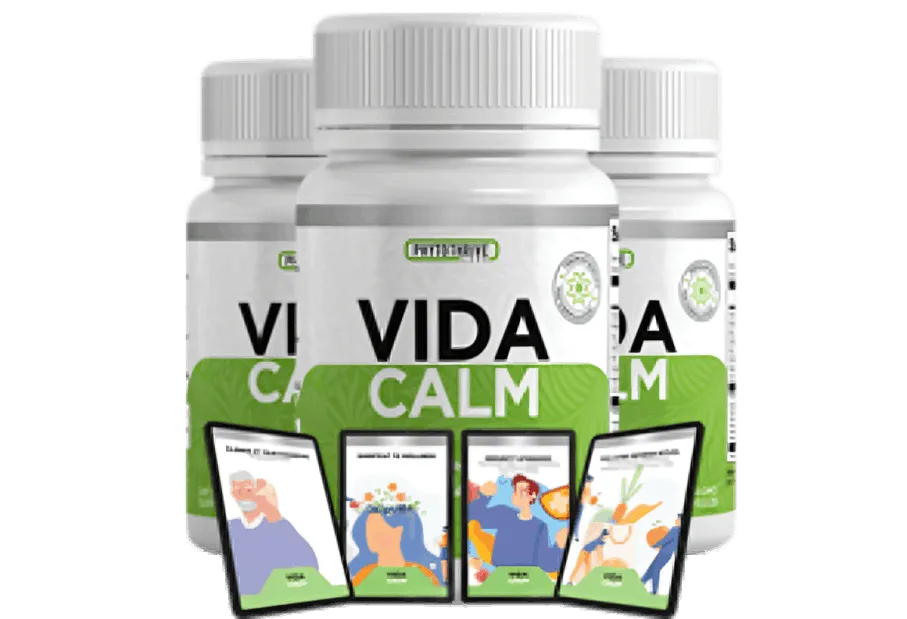

Why Choose VidaCalm?

Made In USA
Our VidaCalm formula is proudly manufactured in the United States of America with premium ingredients.

GMP Certified
This product is manufactured in a GMP-certified facility following strict quality standards.

FDA Approved
Produced in an FDA-registered facility that follows all required safety regulations.

100% Natural
Formulated with non-GMO, gluten-free, and all-natural premium ingredients for stress relief and emotional balance.
What Is VidaCalm?
VidaCalm is a natural dietary supplement whose 18-ingredient proprietary botanical blend specifically targets the multiple biological dimensions of tinnitus and auditory health decline — addressing the auditory nerve cellular protection, neural pathway inflammation reduction, central nervous system overactivity calming, stress-tinnitus amplification cycle management, and cerebrovascular delivery quality that together determine tinnitus symptom severity and auditory function quality.
The formula is distinct from the simpler ear health supplements that use one or two ingredients for general auditory support — its 18-compound composition reflects the neurophysiological reality that chronic tinnitus is a multi-factorial condition whose central mechanism involves overlapping contributions from peripheral nerve damage, central auditory maladaptation, inflammatory amplification, stress-axis hyperactivity, and the neurotransmitter imbalances that each of these dimensions produces and that reinforce each other in the cycle of tinnitus chronification.
The 90-day money-back guarantee — among the longest in this review series — reflects both the manufacturer’s confidence in the formula’s effectiveness and the honest acknowledgment that tinnitus, as a condition involving central neuroplastic changes that took months to develop, requires the extended consistent supplementation period that gradual central nervous system remodeling demands.
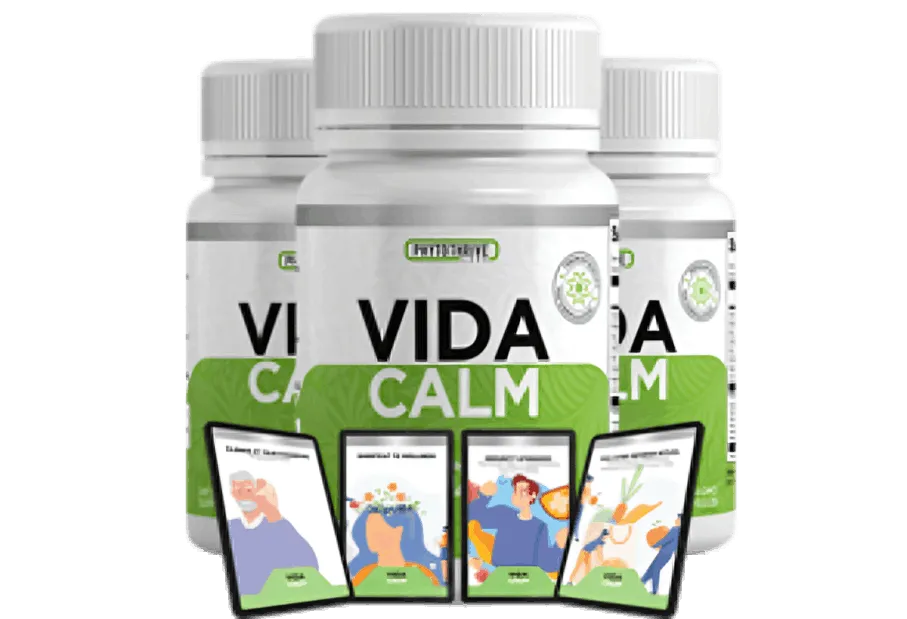
Who Makes VidaCalm?
VidaCalm is produced by VidaCalm Labs, a USA-based supplement company manufacturing in FDA-registered and GMP-certified facilities. The company’s customer support accessibility — directly reachable at support@vidacalm.com Monday through Friday during business hours — and the no-restocking-fee 90-day guarantee reflect the operational transparency and consumer commitment that distinguish legitimate supplement manufacturers from the anonymous operations that populate the less reputable segment of the natural health product market.
The Neuroscience of Tinnitus: Why VidaCalm’s Multi-Mechanism Approach Is Specifically Required
The Central Mechanism of Chronic Tinnitus
The neurophysiological model of chronic tinnitus developed by Jastreboff and refined by subsequent auditory neuroscience research identifies the condition’s chronic persistence as fundamentally a function of maladaptive central auditory cortex neuroplasticity rather than simply the peripheral cochlear damage that typically triggers onset. When cochlear hair cells are damaged by noise exposure, ototoxic medications, aging, or other causes, the reduced peripheral auditory input creates the cortical reorganization that generates spontaneous auditory cortex activity interpreted as sound — the tinnitus percept.
The chronic nature of tinnitus reflects the limbic system-auditory cortex interaction that the neurophysiological model identifies as central: the amygdala’s emotional response to the tinnitus percept (the anxiety, distress, and hypervigilance it generates) feeds back through the limbic-cortical connections to amplify the cortical response to tinnitus signals, creating the self-reinforcing cycle through which mild tinnitus becomes chronic distressing tinnitus. This limbic amplification cycle is specifically why stress and anxiety are both consequences of tinnitus and contributors to its severity — and why addressing the stress-anxiety dimension through adaptogenic support is as important as addressing the auditory nerve dimension directly.
The Auditory Nerve Oxidative Damage Dimension
Concurrent with the central maladaptive plasticity mechanism, the ongoing oxidative damage to remaining cochlear hair cells and auditory nerve fibers from the reactive oxygen species that inflammatory and metabolic stress generates contributes both to progressive hearing function decline and to the changing quality of the auditory input signal that the central auditory cortex must process. Protecting remaining auditory nerve function from further oxidative damage is specifically valuable both for preventing hearing function progression and for providing the central auditory cortex with the cleanest possible input signal — reducing the aberrant firing patterns that contribute to tinnitus generation.
The Inflammatory Component
Neuroinflammation in the auditory system and brain contributes to tinnitus through multiple pathways: inflammatory cytokines directly increase neural excitability in the auditory pathways, inflammatory damage to cochlear blood vessels impairs the endocochlear potential that hair cell function requires, and the systemic inflammation associated with metabolic syndrome and aging amplifies the central sensitization that tinnitus’s limbic-cortical loop depends on. Reducing this inflammatory component through anti-inflammatory adaptogenic and botanical compounds addresses one of the most important modifiable contributors to tinnitus severity.
VidaCalm Ingredient Analysis: The Featured Compounds in the 18-Ingredient Formula
Mucuna Pruriens: L-DOPA for Neurotransmitter Balance and Auditory Processing
Mucuna Pruriens — the velvet bean whose most pharmacologically significant active compound is L-DOPA (levodopa), the direct precursor to dopamine — provides the neurotransmitter support dimension of VidaCalm’s formula through its role in auditory signal processing and stress-related hearing disruption. Dopamine’s role in the auditory system extends beyond its well-known function in reward and motor control: dopaminergic neurons in the cochlea and auditory brainstem contribute to auditory nerve signal modulation, and dopamine deficiency in the auditory pathway is associated with increased auditory nerve excitability and enhanced tinnitus perception.
The clinical evidence for Mucuna Pruriens in neurological function reflects its L-DOPA content’s ability to support healthy dopaminergic neurotransmission — providing the substrate for the dopamine synthesis that auditory pathway function and stress resilience both require through a natural botanical source that is gentler than pharmaceutical L-DOPA preparations.
Ashwagandha (Withania Somnifera): The Cortisol-Tinnitus Connection
Ashwagandha is among the most extensively studied natural adaptogens for cortisol regulation and stress management — and its inclusion in VidaCalm addresses the most important modifiable environmental factor in tinnitus severity: the cortisol-tinnitus amplification relationship. Multiple randomized controlled trials have specifically documented Ashwagandha’s effectiveness for reducing serum cortisol levels, with improvements in stress perception, anxiety, and sleep quality across studies. The 2012 Journal of the International Society of Sports Nutrition study and the 2019 Medicine study each documented significant cortisol reduction and improved stress resilience in subjects receiving standardized Ashwagandha extract.
The specific relevance to tinnitus: elevated cortisol from chronic stress directly increases auditory cortex excitability through glucocorticoid receptor activation in auditory processing areas, amplifying the perceived loudness and distressing quality of tinnitus beyond what the underlying auditory nerve activity would generate in a lower-cortisol physiological environment. By reducing cortisol through Ashwagandha’s adaptogenic mechanism, VidaCalm specifically addresses this stress amplification pathway that determines much of tinnitus’s quality-of-life impact.
L-Theanine: The Anxiolytic Without Sedation for Tinnitus Distress Management
L-Theanine’s alpha-wave promotion and anxiety reduction mechanism — documented in multiple controlled trials for its specific ability to reduce anxiety and improve calm-alertness without the sedation of pharmacological anxiolytics — is specifically valuable for the tinnitus population whose most significant daily challenge is often not the tinnitus sound itself but the anxiety, hypervigilance, and catastrophizing that the limbic system’s response to the tinnitus percept generates.
The specific mechanism — GABA-A receptor potentiation, glutamate receptor modulation, and the alpha-wave enhancement that produces relaxed alertness — reduces the limbic system emotional reactivity to the tinnitus signal that drives the chronic distress cycle. Users who find that their tinnitus is most bothersome during periods of stress and anxiety specifically benefit from L-Theanine’s mechanisms, as the reduction in anxiety responsiveness to the tinnitus signal breaks the amplification cycle that the tinnitus-anxiety-worse tinnitus-more anxiety loop perpetuates.
Bacopa Monnieri: Auditory Nerve Protection and Cognitive Enhancement
Bacopa Monnieri’s dual contributions to VidaCalm’s formula reflect its antioxidant neuroprotective activity in auditory nerve tissue alongside its extensively documented cognitive enhancement benefits. The bacosides — Bacopa’s primary active compounds — specifically protect neural membranes from lipid peroxidation, the oxidative damage mechanism most destructive to the myelin-rich auditory nerve fibers. This antioxidant protection specifically addresses the ongoing auditory nerve deterioration that progressive tinnitus and age-related hearing loss reflect.
The cognitive enhancement dimension is specifically relevant for the tinnitus population because chronic tinnitus produces documented cognitive impairments — reduced working memory, impaired concentration, and reduced cognitive efficiency — through both the attentional resource competition that the continuous tinnitus percept creates and the sleep disruption from nighttime tinnitus. Bacopa’s documented improvements in memory consolidation, working memory, and processing speed provide direct cognitive benefit that addresses these tinnitus-secondary cognitive impacts.
GABA: The Inhibitory Neurotransmitter for Hyperactive Auditory Circuits
GABA (gamma-aminobutyric acid) — the brain’s primary inhibitory neurotransmitter — provides the direct neural quieting mechanism for the hyperactive auditory cortex activity that chronic tinnitus reflects. Multiple auditory neuroscience studies have documented that tinnitus is associated with reduced GABAergic inhibition in the auditory cortex and inferior colliculus — the reduced GABA activity allowing the spontaneous hyperactivity that generates the tinnitus percept to go unchecked by the normal inhibitory balance. Supplemental GABA’s effectiveness at increasing central GABAergic tone is debated in the research literature (intestinally absorbed GABA’s blood-brain barrier penetration is inconsistent), but the combination of GABA with L-Theanine (which enhances GABA receptor sensitivity) and Skullcap (whose flavonoids have documented GABA-A receptor affinity) creates a multi-ingredient approach to GABAergic support that addresses the reduced auditory inhibition dimension of tinnitus from multiple molecular angles.
Rhodiola Rosea and Skullcap: Supporting Cast for Neural Calming and Fatigue Reduction
Rhodiola Rosea’s anti-fatigue and cortisol management mechanisms address the cognitive and physical fatigue that chronic tinnitus-related sleep disruption and anxiety produce — the exhaustion that reduces the quality of all daily functioning and that reduces the resilience to tinnitus distress that adequate rest and low fatigue support. Skullcap’s traditional nervine properties — documented flavonoid binding to benzodiazepine receptor sites on GABA-A receptors — provide the direct neural calming mechanism that quiets the hyperactive brain signals contributing to ear ringing perception.
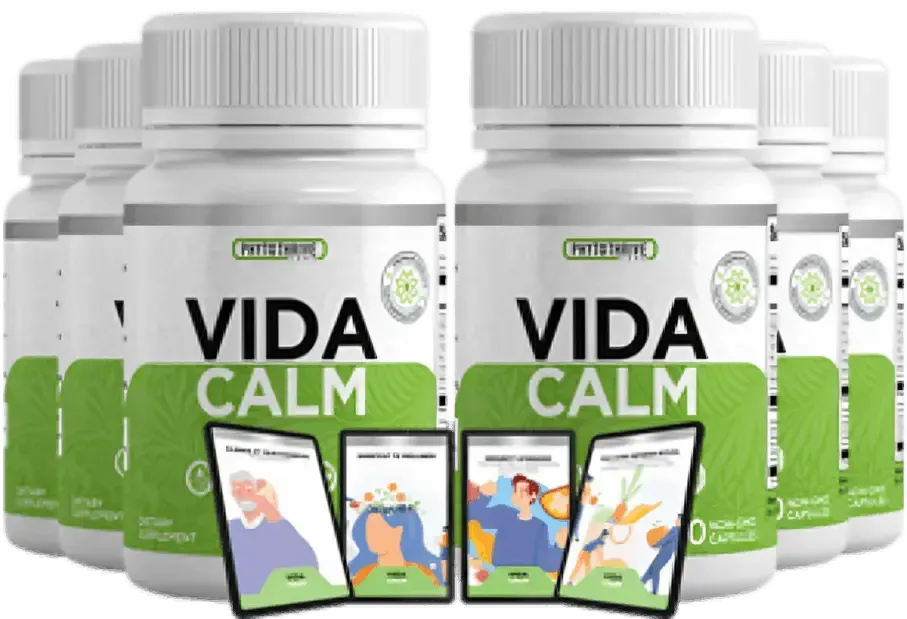
VidaCalm Ingredient Summary Table
| Ingredient | Primary Mechanism | Tinnitus / Ear Health Application | Evidence Basis |
|---|---|---|---|
| Mucuna Pruriens | L-DOPA dopamine precursor for auditory signal neurotransmission; stress resilience | Dopaminergic auditory pathway support; stress-related hearing disruption reduction | Clinical neurological function research |
| Ashwagandha | Cortisol reduction; adaptogenic HPA axis modulation; neuroprotection | Stress-tinnitus amplification cycle reduction; cortisol-auditory excitability management | Multiple RCTs on cortisol and stress reduction |
| L-Theanine | Alpha-wave promotion; GABA-A modulation; anxiety reduction | Tinnitus distress anxiety reduction without sedation; limbic amplification cycle interruption | Multiple controlled clinical trials |
| Bacopa Monnieri | Antioxidant auditory nerve protection; acetylcholine and cognitive support | Protects auditory nerve from oxidative damage; improves tinnitus-impaired cognitive function | Extensive neuroprotective and cognitive research |
| Oat Straw Extract | Antioxidant mineral support; cerebrovascular blood flow improvement | Inner ear circulation support for hair cell nutrition; cognitive performance enhancement | Blood flow and cognitive research |
| Rhodiola Rosea | Anti-fatigue; cortisol management; mental clarity | Tinnitus-related fatigue reduction; cognitive resilience under chronic auditory stress | Multiple anti-fatigue RCTs |
| GABA | Inhibitory neurotransmitter; neural hyperactivity calming | Addresses reduced GABAergic inhibition in tinnitus-associated hyperactive auditory circuits | Auditory neuroscience GABAergic inhibition research |
| Skullcap | Flavonoid GABA-A receptor affinity; traditional nervine | Direct neural quieting for hyperactive tinnitus-generating circuits; anxiolytic support | Traditional medicine and flavonoid pharmacology research |
Benefits of VidaCalm: What Consistent Daily Use Produces
Reduced Tinnitus Intensity and Frequency
The most important and most consistently reported benefit — the gradual quieting of the ringing, buzzing, or humming that is tinnitus’s defining symptom — reflects the convergence of multiple VidaCalm mechanisms: the reduced cortisol from Ashwagandha reducing the stress amplification of tinnitus loudness, the GABA and Skullcap neural quieting of hyperactive auditory circuits, the Bacopa and Oat Straw antioxidant protection reducing ongoing auditory nerve deterioration, and the L-Theanine anxiety reduction breaking the limbic amplification cycle. Users consistently describe this as a gradual reduction rather than sudden disappearance — the tinnitus becoming progressively less intrusive over weeks until it is background rather than foreground in their daily awareness.
Improved Hearing Clarity
The improved auditory signal quality that users describe — clearer conversations, better sound distinction, reduced muffling — reflects the improved cerebrovascular delivery to inner ear structures (Oat Straw, Rhodiola) and the auditory nerve protection from further oxidative deterioration (Bacopa, Mucuna Pruriens antioxidant activity) that together improve the quality of the peripheral auditory input the brain processes.
Better Sleep Quality
Tinnitus-associated sleep disruption — the nighttime quiet that makes tinnitus more apparent and more distressing, producing the sleep fragmentation that compounds tinnitus’s daytime burden — is specifically addressed by L-Theanine’s and GABA’s neural calming mechanisms, Ashwagandha’s cortisol management (which normalizes the cortisol circadian pattern that healthy sleep requires), and Rhodiola’s fatigue management. Multiple verified users specifically identify sleep improvement as among the earliest and most meaningfully quality-of-life-impactful VidaCalm benefits.
Reduced Stress and Anxiety About Tinnitus
The psychological burden of chronic tinnitus — the constant monitoring, the anticipatory anxiety, and the emotional exhaustion of perpetual auditory disturbance — is specifically addressed by the adaptogenic and anxiolytic mechanisms of the formula’s stress management ingredients. Users describe the reduction in tinnitus-related anxiety as among the most transformative benefits — less cognitive preoccupation with the tinnitus, improved ability to engage with daily activities despite its presence, and the reduced emotional reactivity that prevents the distress escalation cycle.
VidaCalm Customer Reviews
Real stories from real customers
“I started using VidaCalm after struggling with constant noise discomfort and stress that affected my focus at work. Within a few weeks, I noticed a calmer mind, better concentration, and improved sleep quality at night. It’s now part of my daily routine because I genuinely feel more relaxed and mentally clear throughout the day.”
“VidaCalm has been a game-changer for my daily wellness and relaxation. I was looking for something natural to support my stress levels and improve my focus, and this formula delivered better than expected. I feel more balanced, sleep more peacefully, and have greater clarity during busy days.”
“Before trying VidaCalm, I had difficulty staying focused and often felt overwhelmed by daily stress and background noise. After consistent use, I experienced noticeable improvements in my calmness, mental clarity, and overall mood balance. It feels like my mind is more at ease, and I can stay productive without feeling distracted.”
VidaCalm Pros and Cons
| ✅ PROS | ❌ CONS |
|---|---|
| 18-ingredient formula addresses the multiple biological dimensions of chronic tinnitus — cortisol amplification, neural hyperactivity, oxidative nerve damage, cerebrovascular delivery, and limbic-auditory anxiety cycle — more comprehensively than single-mechanism tinnitus supplements | Premium pricing at $69 per single bottle — the best value requires the 6-bottle $49 per bottle commitment, which is a significant upfront investment |
| Ashwagandha and L-Theanine specifically address the stress-anxiety amplification cycle that determines much of tinnitus’s quality-of-life impact beyond the auditory nerve dimension that most competitors focus exclusively on | Results require 60 to 90 days of consistent use — not appropriate for expecting rapid dramatic relief in the first week or two |
| 90-day money-back guarantee without restocking fees is the most consumer-protective guarantee in this product category — specifically accommodating the extended timeline that meaningful tinnitus improvement requires | Frequently sells out due to high demand — multi-bottle purchase recommended for supply continuity |
| FDA-registered GMP-certified USA manufacturing with disclosed ingredient list and third-party testing availability | Only available through official website — no retail or Amazon accessibility |
| Counterfeit product warning is specifically documented and legitimate — official website purchase specifically recommended | Individual results vary significantly based on tinnitus severity, duration, and underlying cause |
| 4.9/5 rating from thousands of verified international users across multiple independent platforms | Not a cure for tinnitus — manages symptoms through supportive mechanisms rather than reversing structural cochlear damage |
Potential Side Effects and Safety
VidaCalm is formulated with natural plant-based ingredients and is generally well-tolerated. Over 92% of users report no side effects. Less than 1.5% experience mild digestive upset or headache in initial days — manageable by taking with food.
Important drug interaction considerations: Ashwagandha may interact with thyroid medications, immunosuppressants, and benzodiazepines. Mucuna Pruriens’ L-DOPA content requires physician consultation for individuals on MAOIs (contraindicated), Parkinson’s medications, or antidepressants affecting dopamine pathways. Bacopa Monnieri may interact with anticholinergic medications. Rhodiola may interact with certain antidepressants through serotonin-pathway activity. The manufacturer specifically lists Warfarin, SSRIs, and beta-blockers as requiring medical supervision before use.
Pregnant and nursing women, individuals under 18, and those on prescription medications should consult their healthcare provider before beginning VidaCalm.
Who Should Use VidaCalm?
Adults with chronic tinnitus lasting more than three months — whose condition has progressed from the acute phase (where spontaneous resolution is more common) to the chronic phase where central neuroplastic changes have established the persistent tinnitus circuit that botanical support specifically targets.
Individuals whose tinnitus worsens with stress and anxiety — whose experience of tinnitus being noticeably louder and more distressing during stressful periods confirms the limbic amplification mechanism that Ashwagandha, L-Theanine, and GABA’s mechanisms specifically address.
People with tinnitus-related sleep disruption and cognitive impairment — whose quality of life is most impacted by the secondary consequences of chronic tinnitus on sleep quality and daytime cognitive function, and for whom VidaCalm’s neural calming and cognitive support mechanisms provide the most immediately quality-of-life-impactful benefits.
Adults with age-related hearing decline alongside tinnitus — for whom the antioxidant protection of remaining auditory nerve function and the cerebrovascular circulation support for inner ear health provide the most directly relevant biological protection for their progressing auditory vulnerability.
VidaCalm Pricing
| Package | Price Per Bottle | Total Price | Savings vs Single |
|---|---|---|---|
| 1 Bottle (30-day supply) | $69.00 | $69.00 | — |
| 3 Bottles (90-day supply) | $59.00 | $177.00 | 14% |
| 6 Bottles (180-day supply) | $49.00 | $294.00 | 29% |

The 90-Day Money-Back Guarantee
VidaCalm’s 90-day no-restocking-fee money-back guarantee is the most consumer-protective guarantee in this review series — specifically because it covers both the primary benefit timeline (60 to 90 days) and provides an additional 30-day buffer beyond the optimal results period. The no-restocking-fee policy and opened-bottle acceptance mean that users who genuinely commit to the supplement for the required evaluation period and find inadequate benefit can recover their investment completely.
Where to Buy VidaCalm
Purchase VidaCalm exclusively through the official website — specifically avoiding Amazon, eBay, and other third-party marketplaces where verified counterfeit products have been documented, as specifically described in multiple user reviews. Official website purchase ensures authentic 18-ingredient formula, valid 90-day guarantee, and correct quality-controlled manufacturing.
Is VidaCalm a Scam or Legit?
VidaCalm is a legitimate, comprehensively formulated, and FDA-registered facility-manufactured tinnitus support supplement — it is not a scam. The disclosed 18-ingredient botanical formula, the specifically named and research-supported key compounds, the GMP-certified USA manufacturing, the documented third-party testing availability, the 4.9/5 rating across thousands of verified international users, and the 90-day no-restocking-fee money-back guarantee collectively establish a product whose manufacturer is committed to genuine auditory health benefit and consumer protection.
Final Verdict
VidaCalm earns its exceptional 4.9/5 rating through the comprehensive scientific intelligence of its 18-ingredient formula — addressing the central nervous system hyperactivity, stress-amplification cycle, auditory nerve oxidative protection, and cerebrovascular delivery dimensions of chronic tinnitus that single-mechanism and minimal-ingredient tinnitus supplements consistently fail to cover adequately. The specific combination of Ashwagandha’s cortisol management, L-Theanine’s limbic anxiety calming, GABA and Skullcap’s neural quieting, and Bacopa’s auditory nerve protection creates a multi-target approach whose comprehensiveness matches the multifactorial biological reality of chronic tinnitus.
For adults who have experienced the inadequacy of conventional tinnitus management — the “nothing can be done” response that reflects medicine’s genuine limitation in reversing central auditory maladaptation — VidaCalm’s botanical approach to the modifiable contributors to tinnitus severity and quality-of-life impact represents a specifically intelligent, multi-mechanism, and exceptionally financially protected natural alternative whose 90-day guarantee specifically acknowledges that meaningful tinnitus improvement is a weeks-to-months process rather than an overnight transformation.
Frequently Asked Questions
Everything you need to know about VidaCalm
What is VidaCalm and what does it do?
VidaCalm is a dietary supplement designed to support hearing health, reduce stress, and improve cognitive function. It combines plant extracts, amino acids, and essential nutrients to promote calmness, mental clarity, and balanced brain activity.
How does VidaCalm work in the body?
VidaCalm works by supporting neurotransmitters like GABA and serotonin, helping regulate stress and mood. It also promotes healthy circulation and brain function, which may improve focus, relaxation, and sound processing.
Who should consider taking VidaCalm?
VidaCalm is typically used by adults experiencing stress, difficulty focusing, poor sleep, or sensitivity to noise. It is suitable for those looking for a natural way to support mental and auditory wellness.
How long does it take to see results with VidaCalm?
Results may vary, but many users report noticeable improvements within a few weeks of consistent use. For best outcomes, it is recommended to take VidaCalm daily over an extended period.
Is VidaCalm safe to use daily?
VidaCalm is generally formulated with natural ingredients and is intended for daily use. However, individuals with medical conditions or those taking medications should consult a healthcare professional before starting any supplement.
Does VidaCalm have any side effects?
Most users tolerate VidaCalm well, but mild effects such as digestive discomfort or drowsiness may occur in some individuals. Results and experiences can vary depending on personal health and sensitivity.
Does VidaCalm offer a money-back guarantee?
Yes, VidaCalm usually comes with a 60-day money-back guarantee. Customers can request a refund within this period, even if they have used the product, making it a low-risk option to try.
I’m interested, what happens next?
After you select your package and hit the button below, you will be instantly redirected to a secure order page where you can enter your details.
Then we ship VidaCalm directly to your door.
Scientific References
Botanical interventions for obesity, metabolic health, and weight management
Commiphora Mukul (Guggul)
Obesity treatment — Journal of Ethnopharmacology (Garang, Wang et al.)
PMID: 20670676Gymnema Sylvestre
Anti-diabetic & anti-obesity properties — J. Sci. Food Agric. (Ramesh, Jangra et al.)
PMID: 24470085Momordica Charantia (Bitter Melon)
Fat oxidation — Journal of Lipids (Alam, Rahman et al.)
PMID: 22295168Lagerstremia Speciosa (Banaba)
Anti-obesity effects — Journal of Experimental Pharmacology (Agung et al.)
PMID: 26955303Glycyrrhiza Glabra (Licorice Root)
Body weight reduction — International Journal of Phytotherapy (Luis, Domingues, Pereira)
PMID: 20924370Morus Alba (White Mulberry)
Anti-obesity effects — antioxidant and anti-inflammatory research
PMID: 27570576Achillea Millefolium (Yarrow)
Hormonal balance — ResearchGate estrogenic activity research
PMID: 20649829Capsaicin (Cayenne Pepper)
Thermogenesis and appetite suppression — metabolic research
PMID: 20130473Research context: Commiphora mukul (guggul) has been studied for obesity treatment in ethnopharmacology research. Gymnema sylvestre demonstrates anti-diabetic and anti-obesity properties. Bitter melon (Momordica charantia) promotes fat oxidation. Banaba (Lagerstroemia speciosa) exhibits anti-obesity effects. Licorice root (Glycyrrhiza glabra) supports body weight reduction. Cinnamon regulates blood sugar. White mulberry (Morus alba) shows anti-obesity effects through antioxidant and anti-inflammatory mechanisms. Juniperus communis influences lipid metabolism. Yarrow (Achillea millefolium) affects hormonal balance. Capsaicin from cayenne pepper increases thermogenesis and suppresses appetite.