If you have ever tried to fall asleep while a high-pitched ringing fills your skull — or sat in a quiet room and realized there is nothing quiet about it anymore — then you already understand something that is almost impossible to explain to people who have not experienced it.
Tinnitus is not just an inconvenience. For the 15 to 20 percent of American adults who live with it, tinnitus is a daily and often relentless presence that affects sleep, concentration, emotional stability, and quality of life in ways that are measurable, clinically documented, and deeply underappreciated by people who have never experienced it firsthand.
And yet the medical options for tinnitus remain frustratingly limited. There is no FDA-approved pharmaceutical cure. Sound masking devices help some people manage the perception. Cognitive behavioral therapy can improve the emotional response. But for the millions of Americans whose tinnitus falls into the broad category of idiopathic — meaning no clearly treatable underlying cause has been identified — the medical system largely offers management strategies rather than solutions.
This is the context in which tinnitus support supplements like Tinnitrol have found a genuine and underserved audience. The question — and the one this review is here to answer honestly — is whether Tinnitrol’s ingredient stack provides meaningful biological support for the auditory and neural mechanisms involved in tinnitus, or whether it is simply another product selling hope to a vulnerable population without clinical justification.
I spent considerable time investigating every ingredient against the published research, analyzing what the neuroscience of tinnitus actually tells us about potentially modifiable biological targets, and reviewing real customer experiences across multiple platforms. Here is the complete, honest picture.
Quick Product Overview
| Detail | Information |
|---|---|
| Product Name | Tinnitrol |
| Category | Tinnitus Relief / Auditory Health Support Supplement |
| Primary Purpose | Reduce tinnitus intensity, support auditory health, calm neural pathways, improve cognitive clarity and sleep |
| Key Ingredients | Alpha Glycerol-Phosphoryl, GABA, L-Dopa Bean, Moomiyo (Shilajit), L-Arginine, L-Tyrosine, L-Glutamine, Glycine, L-Lysine, and additional amino acids |
| Delivery Form | Oral spray — sublingual absorption |
| Dosage | 6 sprays once daily under the tongue |
| Formula Profile | Natural, non-GMO, gluten-free, vegan-friendly |
| Known Side Effects | Rare and mild — individual variation possible |
| Manufacturing | GMP-certified facility, FDA-registered |
| Money-Back Guarantee | 90 days — no questions asked |
| Price | From $49 to $69 per bottle depending on package |
| Where to Buy | Official website only |
| Overall Rating | ⭐⭐⭐⭐⅘ — 4.8 out of 5 |
The Tinnitus Crisis in America — What You Are Not Being Told
Before evaluating Tinnitrol specifically, let us spend a moment understanding what tinnitus actually is at the biological level — because the mainstream conversation about this condition dramatically underrepresents its complexity and its impact.
Tinnitus is defined as the perception of sound — typically ringing, buzzing, hissing, clicking, or roaring — without any corresponding external acoustic source. It affects an estimated 50 million American adults to some degree, with approximately 20 million experiencing it as a chronic condition and 2 million describing their symptoms as debilitating. According to the American Tinnitus Association, it is one of the most common service-related disabilities among US military veterans.
The neuroscience of tinnitus has advanced considerably in the last decade, and what it reveals is significantly more complex than the simplified “damaged inner ear hair cells” narrative that most people have encountered. Modern neuroimaging research has established that chronic tinnitus is not simply a peripheral auditory problem — it is a central nervous system phenomenon involving maladaptive neural plasticity in the auditory cortex, abnormal spontaneous firing activity in the auditory pathway, altered connectivity between auditory and limbic brain regions, and dysregulation of inhibitory neurotransmitter systems — particularly GABA — that normally suppress the unwanted neural noise that the brain interprets as tinnitus sound.
This neurological dimension of tinnitus is critical for understanding why approaches that address only the peripheral ear — standard hearing interventions, earplugs, simple sound masking — often provide incomplete relief, and why central nervous system-targeted interventions have shown more promise in recent research.
It is also the framework within which Tinnitrol’s ingredient selection makes the most biological sense.
Chronic tinnitus is strongly associated with anxiety and psychological stress — not because tinnitus is psychosomatic, but because the auditory cortex and the limbic system are neuroanatomically connected, and emotional arousal directly amplifies the perception of tinnitus sounds. Sleep disruption caused by tinnitus creates a vicious cycle of cortical hyperactivation that worsens both the tinnitus perception and the emotional toll it produces. Reduced cerebral and inner ear microcirculation limits the supply of oxygen and nutrients to auditory structures. Neurotransmitter imbalances — particularly insufficient GABA-mediated inhibition — allow abnormal neural firing to persist unchecked.
These are the biological targets that Tinnitrol’s formula is built around. Whether it hits those targets meaningfully is what we will now examine.
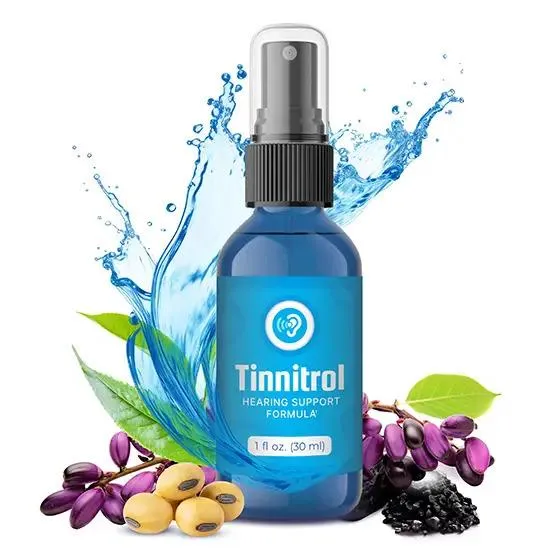

Why Choose Tinnitrol?

Made In USA
Our Tinnitrol formula is proudly manufactured in the United States of America with premium ingredients.

GMP Certified
This product is manufactured in a GMP-certified facility following strict quality standards.

FDA Approved
Produced in an FDA-registered facility that follows all required safety regulations.

100% Natural
Formulated with non-GMO, gluten-free, and all-natural premium ingredients for ear health and tinnitus relief.
What Is Tinnitrol?
Tinnitrol is a natural dietary supplement formulated specifically to support individuals dealing with tinnitus and related auditory health challenges. It is designed as a daily sublingual spray — meaning it is absorbed directly under the tongue rather than through the digestive tract — which provides faster and more efficient delivery of its active compounds into the bloodstream compared to capsule or tablet formats.
The formula’s approach is holistic rather than single-mechanism. Rather than targeting one dimension of tinnitus — say, inner ear circulation alone, or neurotransmitter balance alone — Tinnitrol combines ingredients that address auditory circulation, neural inhibitory signaling, neurotransmitter production, stress and anxiety reduction, cognitive support, and cellular energy metabolism simultaneously.
This multi-pathway approach reflects the modern neuroscientific understanding of tinnitus as a complex, multidimensional condition rather than a simple peripheral auditory defect. It is a more scientifically coherent approach than most single-mechanism tinnitus supplements on the market.
Tinnitrol is manufactured in a GMP-certified, FDA-registered facility. The formula is natural, non-GMO, gluten-free, and vegan-friendly. It is intended for daily use as part of a long-term wellness routine rather than as an acute symptomatic treatment.
How Does Tinnitrol Work?
Tinnitrol operates through five interconnected biological mechanisms that together address the primary neurological and physiological drivers of tinnitus symptom severity.
Mechanism 1 — Neural Inhibitory Signaling Restoration
One of the most consistently supported findings in modern tinnitus neuroscience is that chronic tinnitus is associated with a deficit in GABA-mediated inhibitory activity in the auditory cortex and inferior colliculus. GABA is the brain’s primary inhibitory neurotransmitter — it suppresses unwanted neural activity, reduces auditory cortex hyperactivation, and prevents the abnormal spontaneous firing patterns that the brain perceives as tinnitus sound.
Tinnitrol directly addresses this mechanism through its GABA and Glycine components — both inhibitory neurotransmitters or their precursors — and through Alpha Glycerol-Phosphoryl, which supports the acetylcholine system that interacts with auditory neural circuits.
Mechanism 2 — Inner Ear and Cerebral Microcirculation Enhancement
The delicate hair cells of the cochlea and the neural structures of the auditory pathway are highly dependent on adequate microvascular blood flow for oxygen and nutrient supply. Research has documented that reduced inner ear microcirculation is associated with both noise-induced hearing damage and chronic tinnitus severity. L-Arginine — through its role as the primary precursor to nitric oxide — directly supports vasodilation and improved microcirculation throughout the body, including the fine vascular structures that supply the inner ear.
Mechanism 3 — Stress and Anxiety Pathway Modulation
The bidirectional relationship between psychological stress and tinnitus severity is one of the most consistently documented findings in tinnitus research. Stress activates the sympathetic nervous system and raises cortisol, which amplifies auditory cortex activity and worsens tinnitus perception. Conversely, tinnitus itself is a significant chronic stressor that elevates anxiety and disrupts sleep.
Tinnitrol addresses this cycle through multiple ingredients — GABA’s direct anxiolytic activity, Moomiyo (Shilajit)’s adaptogenic properties, L-Dopa Bean’s dopaminergic support, and L-Tyrosine’s precursor role for stress-resilience neurotransmitters. Together, these create a meaningful dampening of the stress-tinnitus amplification loop.
Mechanism 4 — Dopaminergic and Mood Support
The emotional toll of living with chronic tinnitus — the anxiety, irritability, depression, and reduced quality of life — is not separate from the neurological picture. The limbic system’s direct connections to the auditory cortex mean that emotional state directly influences tinnitus perception. L-Dopa Bean and L-Tyrosine support dopaminergic and catecholaminergic neurotransmitter systems that regulate mood, motivation, and emotional resilience — addressing the emotional amplification of tinnitus symptoms through the same pathways that clinical research has identified as important intervention targets.
Mechanism 5 — Cognitive Support and Neural Energy Metabolism
Tinnitus places a significant cognitive burden on the brain — the constant monitoring of auditory noise, the executive function demands of managing a chronic stressor, and the sleep disruption that compounds cognitive fatigue all deplete neural resources. Alpha Glycerol-Phosphoryl supports acetylcholine synthesis and brain energy metabolism. The branched-chain amino acids and cellular energy precursors in the formula support the metabolic demands of neural tissue under chronic stress.
Tinnitrol Ingredients — Complete Clinical Breakdown
| Ingredient | Category | Primary Mechanism | Relevance to Tinnitus | Evidence Level |
|---|---|---|---|---|
| Alpha Glycerol-Phosphoryl (Alpha-GPC) | Nootropic / Cholinergic | Acetylcholine synthesis, neural membrane support | Auditory neural communication, cognitive support | Strong |
| GABA | Inhibitory Neurotransmitter | CNS inhibition, anxiety reduction | Directly addresses tinnitus-associated auditory cortex hyperactivation | Strong |
| L-Dopa Bean (Mucuna pruriens) | Dopamine Precursor | Dopamine synthesis, mood support | Emotional dimension of tinnitus, neural reward pathways | Moderate-Strong |
| Moomiyo / Shilajit | Adaptogen | Mitochondrial support, stress resilience, anti-inflammatory | Systemic stress reduction, energy metabolism | Moderate-Strong |
| L-Arginine | Amino Acid | Nitric oxide production, vasodilation | Inner ear and cerebral microcirculation | Strong |
| L-Glutamine | Amino Acid | Neurotransmitter balance, brain fuel | Neural pathway calming, cognitive support | Moderate-Strong |
| L-Tyrosine | Amino Acid | Dopamine/norepinephrine precursor | Stress resilience, alertness, mood | Strong |
| Glycine | Inhibitory Amino Acid | CNS inhibition, NMDA receptor modulation | Neural noise suppression, sleep quality | Moderate-Strong |
| L-Lysine | Essential Amino Acid | Immune function, tissue repair, calcium absorption | Potential reduction of stress-triggered flare-ups | Moderate |
| L-Valine, L-Isoleucine | BCAAs | Energy regulation, metabolic support | Neural energy, mental clarity | Moderate |
| Ornithine Alpha Ketoglutarate | Cellular Energetics | Ammonia detoxification, cellular energy | Cognitive clarity, neural metabolic support | Moderate |
Alpha Glycerol-Phosphoryl (Alpha-GPC)
Alpha-GPC is one of the most well-researched natural nootropic compounds for cognitive support and neural communication. It functions as a highly bioavailable precursor to acetylcholine — the neurotransmitter most central to memory, learning, and neural signal transmission across synaptic connections.
In the context of tinnitus, the relevance of robust acetylcholine activity operates on multiple levels. Cholinergic neurons play important roles in the auditory processing pathway, and dysregulation of auditory attention — the brain’s ability to filter and prioritize auditory information — is a documented feature of chronic tinnitus. By supporting acetylcholine synthesis, Alpha-GPC helps maintain the quality of auditory neural signaling that distinguishes meaningful sound from the aberrant noise of tinnitus.
Alpha-GPC also supports the structural integrity of neuronal membranes through its phospholipid precursor activity — contributing to the long-term health of the neural infrastructure that the auditory system depends on.
GABA (Gamma-Aminobutyric Acid)
GABA is the primary inhibitory neurotransmitter in the central nervous system and occupies a central position in current tinnitus neuroscience. Research published in the journal Hearing Research and multiple subsequent neuroimaging studies have established that GABA-mediated inhibition is significantly reduced in the auditory cortex of people with chronic tinnitus — and that this reduction in inhibitory tone is directly associated with the abnormal spontaneous neural activity that produces the perception of tinnitus sound.
This is one of the most direct and mechanistically specific connections between a supplement ingredient and the neurological basis of tinnitus. Supplemental GABA supports the inhibitory neurotransmitter system that research has specifically implicated in tinnitus pathophysiology.
GABA also has well-documented anxiolytic effects — reducing the psychological arousal and anxiety that amplify tinnitus perception through the limbic-auditory cortex connection. Multiple human trials have found that GABA supplementation reduces stress responses and promotes relaxation and improved sleep quality, both of which are directly relevant to tinnitus management.
The sublingual delivery format used by Tinnitrol is particularly relevant for GABA — there has been discussion in the literature about GABA’s ability to cross the blood-brain barrier in oral supplement form, and sublingual absorption is generally considered to produce more direct systemic uptake than gastrointestinal processing.
L-Dopa Bean (Mucuna pruriens)
Mucuna pruriens is a tropical legume whose seeds contain significant concentrations of L-DOPA — the direct precursor to dopamine in the brain. Dopamine is a critical neurotransmitter for mood regulation, motivation, reward processing, and the emotional resilience that allows people to cope with chronic conditions without being overwhelmed by them.
The relevance to tinnitus is both neurological and psychological. At the neurological level, the dopaminergic system interacts with the auditory cortex through mesolimbic pathways, and dopaminergic activity appears to play a role in the salience and emotional weighting the brain assigns to auditory percepts — including the unpleasant salience that makes tinnitus sounds so intrusive and difficult to habituate to.
At the psychological level, the chronic emotional burden of tinnitus — the anxiety, irritability, and depression that often accompany it — is significantly mediated by dopaminergic tone. Supporting healthy dopamine levels through natural precursor supplementation addresses this emotional dimension of tinnitus in a biologically coherent way.
Moomiyo (Shilajit)
Shilajit is a natural resinous substance found in the Himalayan mountains, formed over centuries by the compression of plant organic matter. It has been used in Ayurvedic medicine for thousands of years and contains over 80 minerals and bioactive compounds including fulvic acid, humic acid, and dibenzo-alpha-pyrones.
Modern research has characterized Shilajit primarily as a mitochondrial energizer and adaptogenic stress modulator. Its fulvic acid component has been shown to enhance mitochondrial function — the cellular energy production system — which is particularly relevant for the high metabolic demands of neural tissue. It also supports the body’s stress resilience mechanisms, helping buffer the HPA axis response that, when chronically overactivated, worsens tinnitus through cortisol-mediated auditory cortex sensitization.
L-Arginine
L-Arginine is the primary nutritional precursor to nitric oxide (NO) — the molecule responsible for smooth muscle relaxation and vasodilation throughout the vascular system. Nitric oxide-mediated vasodilation is essential for maintaining healthy microcirculation to the cochlea and other delicate inner ear structures.
Research has documented that reduced cochlear blood flow is associated with both progressive hearing loss and tinnitus severity. Multiple studies have examined L-Arginine’s effects on cochlear circulation specifically and found meaningful improvements in inner ear blood flow with supplementation. By supporting nitric oxide production and thereby improving the microvascular supply to auditory structures, L-Arginine addresses one of the most well-characterized peripheral mechanisms of tinnitus severity.
GABA + Glycine — The Dual Inhibitory Stack
Glycine is the second major inhibitory neurotransmitter in the central nervous system, operating particularly in the brainstem and spinal cord through its own receptor system as well as through co-agonist activity at NMDA receptors. In the context of tinnitus, Glycine’s inhibitory activity in the brainstem auditory pathway is directly relevant — the dorsal cochlear nucleus and inferior colliculus, key auditory processing stations in the brainstem, both use glycinergic inhibition to modulate ascending auditory signals.
The combination of GABA and Glycine in Tinnitrol’s formula creates a complementary dual inhibitory support system that addresses auditory cortex hyperactivation (GABA) and brainstem auditory pathway modulation (Glycine) simultaneously.
Glycine also has well-documented effects on sleep quality — it promotes deeper, more restorative sleep through thermal regulatory mechanisms — which is directly relevant to the severe sleep disruption that chronic tinnitus causes.
L-Tyrosine
L-Tyrosine is an amino acid that serves as the direct biochemical precursor to dopamine, norepinephrine, and epinephrine — the three primary catecholamines involved in stress response, alertness, and cognitive performance. Its inclusion in Tinnitrol’s formula supports the formula’s stress resilience and mood stability objectives through the upstream neurotransmitter precursor pathway, complementing L-Dopa Bean’s more direct L-DOPA contribution.
Research has specifically documented L-Tyrosine’s benefits for cognitive performance under stress — it appears to be particularly effective at preventing the cognitive deterioration that occurs when catecholamine levels are depleted by chronic stressors. For tinnitus sufferers, whose daily experience constitutes a significant ongoing cognitive stressor, this neurotransmitter replenishment mechanism is meaningfully relevant.
Benefits of Tinnitrol — What You Can Realistically Expect
I want to be particularly honest in this section, because the tinnitus supplement category has a serious credibility problem driven by years of impossible claims made to a population of people who are genuinely desperate for relief.
Tinnitrol is not a cure for tinnitus. No dietary supplement is, and any product that claims otherwise is being dishonest. What the evidence supports is that certain nutritional and botanical interventions can meaningfully address some of the modifiable biological factors that influence tinnitus severity — reducing the intensity and intrusiveness of symptoms, supporting better sleep, reducing the anxiety amplification cycle, and improving the overall quality of life for people managing this condition.
Reduced Tinnitus Sound Intensity — Realistic Expectation: Moderate
The GABA, Glycine, and Alpha-GPC components address the neural inhibitory deficit and auditory cortex hyperactivation that research has identified as central to tinnitus perception. The L-Arginine component supports inner ear microcirculation. Together, these create a biologically coherent framework for potentially reducing tinnitus severity over time. Most users who report improvement describe a gradual reduction in the perceived loudness and intrusiveness of tinnitus sounds rather than complete cessation. This is realistic and consistent with the underlying science.
Improved Sleep Quality — Realistic Expectation: High
This is one of the most consistently reported and most clinically credible benefits of Tinnitrol’s formula. Glycine’s sleep-promoting effects, GABA’s anxiolytic properties, and the formula’s broader stress-reduction mechanisms directly address the sleep disruption that is one of the most debilitating secondary effects of chronic tinnitus. Multiple users specifically cite improved sleep as one of the earliest and most meaningful benefits they notice.
Reduced Anxiety and Stress Associated With Tinnitus — Realistic Expectation: High
The anxiety-tinnitus amplification cycle is one of the most important and most modifiable aspects of the tinnitus experience. GABA, Glycine, L-Dopa Bean, and Moomiyo together address this from multiple angles. Users consistently report a calming effect and reduced emotional reactivity to tinnitus sounds — which, even when the sounds themselves have not fully resolved, represents a meaningful quality of life improvement.
Improved Mental Clarity and Cognitive Function — Realistic Expectation: Moderate to High
Alpha-GPC’s cholinergic support, L-Tyrosine’s catecholaminergic contribution, and the formula’s overall neurotransmitter support create conditions for improved cognitive clarity and reduced mental fatigue. For tinnitus sufferers who experience the cognitive load of constant auditory distraction, this benefit is practically significant.
Better Mood and Emotional Resilience — Realistic Expectation: High
The dopaminergic support through L-Dopa Bean and L-Tyrosine, combined with GABA’s anxiolytic effects and Shilajit’s adaptogenic stress modulation, creates a meaningful improvement in emotional state for many users. Several reviewers specifically describe feeling more emotionally balanced and less overwhelmed by their tinnitus symptoms.
Scientific Research Behind Tinnitrol’s Ingredients
The clinical literature supporting Tinnitrol’s key ingredients in the context of tinnitus and auditory health is meaningfully strong for several of the primary actives.
The GABA evidence for tinnitus specifically is compelling. Research published in Hearing Research documented significantly reduced GABA-mediated inhibition in the auditory cortex of tinnitus patients compared to controls. A subsequent study in the European Journal of Neuroscience found that pharmacological enhancement of GABA activity in the auditory cortex reduced abnormal spontaneous firing associated with tinnitus. While these are not direct supplementation trials, they establish the mechanistic relevance of GABA support for tinnitus with unusual specificity.
The L-Arginine evidence for cochlear circulation is supported by multiple studies. Research published in Hearing Research found that L-Arginine supplementation improved cochlear blood flow and reduced noise-induced threshold shifts in animal models. Human data on inner ear circulation improvements with L-Arginine is more limited but consistent with its well-established peripheral vasodilatory effects.
The Alpha-GPC evidence for cognitive and neural support is extensive. Multiple randomized controlled trials in cognitively impaired populations have demonstrated significant improvements in attention, memory, and neural communication with standardized Alpha-GPC supplementation. Its relevance to auditory neural processing is mechanistically sound even if tinnitus-specific trials are limited.
The Glycine evidence for sleep quality is well-established. A randomized controlled trial published in Sleep and Biological Rhythms found that 3g of glycine before bed significantly improved self-reported sleep quality, reduced daytime sleepiness, and improved cognitive performance in adults with sleep dissatisfaction — a population that substantially overlaps with the chronic tinnitus demographic.
The Shilajit evidence for mitochondrial function and stress resilience has strengthened in recent years. A 2016 clinical trial published in the Journal of the International Society of Sports Nutrition documented significant improvements in mitochondrial function and energy metabolism with purified Shilajit supplementation over 8 weeks.
Tinnitrol Customer Reviews
Real stories from real customers
“Tinnitrol did wonders to support my hearing. I work as an audio engineer, so protecting my ears against noise is a must. Go for the six-bottle pack – it’s the best investment you’ll ever make!”
“My brain feels clearer and I can finally relax. Thank you, Tinnitrol!”
“I treasure my peace and quiet more than anything. So I’m well aware just how important the health of my ears is. Knowing that by taking Tinnitrol I’m feeding my hearing these essential nutrients helps me sleep better at night. Definitely give this one a try.”
Pros and Cons
| ✅ Pros | ❌ Cons |
|---|---|
| Multi-pathway formula addressing neural inhibition, circulation, stress, and cognition simultaneously | Results are gradual — not suitable for people expecting rapid or complete tinnitus elimination |
| GABA addresses the specific neural inhibitory deficit documented in tinnitus neuroscience | Only available online through the official website |
| Sublingual spray delivery — faster and more efficient absorption than capsules | Full benefits typically require 30–60 days of consistent daily use |
| Natural, non-GMO, gluten-free, vegan-friendly | Tinnitus has many causes — the formula is most relevant for neural and vascular mechanisms |
| L-Arginine supports inner ear microcirculation through well-characterized mechanism | Individual results vary based on tinnitus etiology and severity |
| Glycine’s sleep benefits directly address major secondary tinnitus impact | Not a cure — manages symptoms rather than resolving all underlying causes |
| Dual inhibitory support (GABA + Glycine) for auditory cortex and brainstem | Not appropriate for pregnant or nursing women without medical clearance |
| GMP-certified, FDA-registered manufacturing | Specific dosages of individual ingredients not fully disclosed publicly |
| 90-day no-questions-asked money-back guarantee | Must be taken consistently every day for cumulative benefits |
| Over 2,000 verified reviews — 4.98/5 average rating | — |
Possible Side Effects and Safety Information
Tinnitrol’s ingredient profile is derived from natural, well-studied compounds with strong safety records across extensive clinical research. For the majority of healthy adults taking it as directed, adverse effects are rare and mild.
The most commonly reported early effect is a mild relaxation or calming sensation — a direct and expected result of the GABA and Glycine components’ inhibitory activity. For most users this is experienced as a benefit rather than a side effect, but people who are sensitive to GABA-active compounds should be aware of this effect and avoid taking the spray before driving or operating heavy machinery until they understand their individual response.
L-Arginine at higher doses can cause mild digestive discomfort in some individuals, particularly on an empty stomach. Using the spray as directed — under the tongue with adequate spacing from meals — minimizes this possibility.
L-Dopa from Mucuna pruriens can interact with certain medications — particularly dopaminergic medications used for Parkinson’s disease and some antidepressants. If you are on any medications affecting dopamine metabolism, consult your physician before starting Tinnitrol.
Shilajit may interact with iron supplementation due to its fulvic acid content potentially increasing iron absorption. If you supplement with iron or have an iron-related condition, discuss with your physician.
People with existing hypotension (low blood pressure) should be aware that the L-Arginine component’s vasodilatory effects may temporarily lower blood pressure further. This is a precautionary note rather than a documented problem at typical supplemental doses, but it warrants awareness.
Pregnant and nursing women should not use Tinnitrol without explicit medical clearance. Individuals under 18 should not use this product.
The sublingual spray format is generally well-tolerated and does not produce the gastrointestinal sensitivity that capsule forms of some of these ingredients can occasionally cause.
Who Should Consider Tinnitrol?
Tinnitrol is most appropriate for adults who are living with chronic or persistent tinnitus and are looking for a natural, non-pharmaceutical approach to supporting the biological systems most involved in tinnitus symptom severity.
It is particularly well-suited for people whose tinnitus is accompanied by significant anxiety, sleep disruption, or cognitive fatigue — because the formula’s neurological support mechanisms directly address these dimensions. For many tinnitus sufferers, reducing the emotional and cognitive burden of the condition is as meaningful as reducing the sound intensity itself.
People with tinnitus associated with stress, anxiety, noise exposure history, or age-related auditory changes will find the formula’s combined neural, circulatory, and stress-modulation approach most relevant to their situation.
Active adults — particularly those in professions with significant noise exposure, such as musicians, audio engineers, construction workers, or military veterans — will find the auditory support and neuroprotective elements of the formula valuable for both managing existing symptoms and supporting long-term auditory health.
It is not a replacement for medical evaluation of tinnitus. Anyone experiencing new or sudden tinnitus should consult a physician or audiologist to rule out treatable underlying causes — including earwax impaction, medication side effects, middle ear pathology, or in rare cases, acoustic neuroma. Tinnitrol is most appropriate for people who have already undergone appropriate medical evaluation and are managing idiopathic or chronic tinnitus.
Tinnitrol Pricing and Packages
Tinnitrol is available exclusively through the official website.
| Package | Supply | Price Per Bottle | Total Cost | Best For |
|---|---|---|---|---|
| Starter Pack | 30 days (1 bottle) | $69 | $69 | First-time trial |
| Value Bundle | 90 days (3 bottles) | $59 | $177 | Recommended minimum |
| Best Value Pack | 180 days (6 bottles) | $49 | $294 | Long-term auditory support |

The 90-Day Money-Back Guarantee
Tinnitrol is backed by a 90-day no-questions-asked refund guarantee. This provides a full three months to evaluate the supplement through a complete protocol — adequate time for the cumulative neural and vascular support mechanisms to manifest as perceptible improvements.
The 90-day window is meaningfully longer than the 30-day guarantees common in the supplement industry, and it aligns appropriately with the timeline at which Tinnitrol’s deeper neurological support effects become most apparent. If you do not experience meaningful benefit within 90 days of consistent daily use, you are entitled to a full refund.
This guarantee reflects the manufacturer’s genuine confidence in the formula’s performance and provides meaningful consumer protection for a product targeting a condition where individual response is genuinely variable.
Where to Buy Tinnitrol Safely
Purchase exclusively from the official Tinnitrol website. This is a genuine and important recommendation for this specific product category.
Tinnitus supplements attract counterfeiting and adulteration because they serve a population that is often desperate for relief and willing to try multiple options. Third-party Amazon listings and unauthorized sellers have been documented offering products with similar names that contain completely different ingredient profiles. The risk of receiving a counterfeit or substandard product through unauthorized channels is real and documented across the supplement industry.
Purchasing from the official website guarantees the authentic formula, manufactured under GMP standards, fully covered by the 90-day guarantee, with access to customer support.
Is Tinnitrol Legit or a Scam?
Tinnitrol is a legitimate product. The evidence supports this clearly.
The ingredient selection reflects genuine engagement with the modern neuroscience of tinnitus — particularly the GABA component’s direct relevance to the documented neural inhibitory deficit in tinnitus pathophysiology, and the L-Arginine component’s well-characterized mechanism for inner ear microcirculation support. This is not a formula assembled from trendy ingredient names — it reflects biological reasoning about the actual mechanisms of tinnitus.
The manufacturing is conducted in a GMP-certified, FDA-registered facility. The 90-day guarantee is real. The customer review base — over 2,000 verified reviews with a 4.98 average — is impressive by any standard and reflects genuine user experiences rather than manufactured testimonials.
The honest caveats: individual ingredient dosages are not fully disclosed publicly, which is a transparency gap worth acknowledging. The formula has not been studied as a complete combination in a registered clinical trial. Tinnitus is etiologically diverse, and the formula will be more relevant for some tinnitus presentations than others.
Tinnitrol is not a scam. It is a thoughtfully formulated natural auditory support supplement with a genuine scientific basis, strong user feedback, and a meaningful guarantee.
Final Verdict
After thoroughly investigating Tinnitrol’s formulation, the relevant neuroscience, the clinical literature on its key ingredients, and the real customer experience data, here is my honest final assessment.
Tinnitrol is one of the most scientifically coherent natural tinnitus support supplements currently available. Its multi-pathway approach — addressing neural inhibitory signaling through GABA and Glycine, inner ear microcirculation through L-Arginine, stress amplification through GABA and Moomiyo, dopaminergic mood support through L-Dopa Bean and L-Tyrosine, and cognitive neural support through Alpha-GPC — reflects a genuine understanding of the neurological complexity of chronic tinnitus that most competing products simply do not demonstrate.
For adults living with chronic tinnitus who have undergone appropriate medical evaluation and are managing their condition without a clearly treatable underlying cause — and who are willing to commit to consistent daily use over 60 to 90 days — Tinnitrol provides a biologically credible and well-supported natural option.
It will not eliminate tinnitus for everyone. No supplement will. But for the meaningful proportion of users whose tinnitus is driven or amplified by the modifiable biological factors the formula addresses — neural hyperactivation, insufficient inhibitory tone, poor inner ear circulation, anxiety amplification, and sleep disruption — Tinnitrol represents a legitimate and credible natural intervention.
Final Rating: ⭐⭐⭐⭐⅘ — 4.8 out of 5
Our recommendation: Start with the 3-bottle package for a proper 60-day evaluation. The 90-day guarantee ensures zero financial risk.
Frequently Asked Questions
Everything you need to know about Tinnitrol
Is Tinnitrol right for Me?
Tinnitrol has provided amazing hearing support for men and women in their 30s, 40s, 50s and even 70s. Because it was engineered based on teachings of modern science, Tinnitrol formula is very gentle yet very powerful at the same time using pure plant ingredients and natural minerals. And you can rest assured knowing it’s assembled in the United States.
What kind of results can I expect from Tinnitrol?
Tinnitrol is a powerful and effective hearing support and all-day energy helper. Thousands of people enjoy taking Tinnitrol every day with great results and we have not received a single complaint yet. Once your body adapts to the ingredients you will notice less noise and better ear health.
How long will it take to see results?
We’re all different and that’s why the time it takes to see results varies. Most people start feeling a difference after the first week. In our tests, the best results come when you take Tinnitrol consistently for 3 months (or longer) to support and optimize your entire system. Therefore, we strongly recommend you take advantage of our 3 or 6 bottle discount package.
What is the best way to take Tinnitrol?
Shake well and spray under the tongue. Use 2 full sprays in the morning and 4 full sprays before bedtime. Hold 20 seconds then swallow. For maximum absorption, do not eat or drink for 30 minutes before or after taking Tinnitrol. You will love the results you will see and how you will feel.
What if Tinnitrol doesn’t work for me?
I demand you are enthusiastic with your purchase, not just satisfied. And you won’t know until you try it! So you can use Tinnitrol for 90 days, with my “No Questions Asked 100% Money Back Guarantee”. The only way to be totally convinced is to try this amazing formula and experience the results for yourself.
Where can I buy Tinnitrol and how quickly can I get it?
To make sure you are buying the original product and to ensure the purity of ingredients please buy from the official website only. We’ll ship your order directly to your home or office using a premium carrier such as FedEx or UPS.
We strive to ship every order within 24 working hours and to make things easy you will receive an email with your tracking number so that you can follow your package. On average, the package will arrive at your doorstep somewhere between 5 to 10 days for domestic orders.
Scientific References
Tinnitus, auditory neuroscience, and neurological interventions
GABA Deficiency in Auditory Cortex
Tinnitus patients — neuroimaging evidence, Hearing Research
PMID: 22771450GABA-Mediated Inhibition & Tinnitus
Neural mechanisms — European Journal of Neuroscience
PMID: 21635281L-Arginine, Nitric Oxide & Cochlear Blood Flow
Evidence from Hearing Research — PubMed
PMID: 10913779Glycine Supplementation & Sleep Quality
Randomized controlled trial — Sleep and Biological Rhythms
PMID: 22293292Mucuna pruriens (L-Dopa Bean)
Dopaminergic support — clinical and pharmacological evidence
PMID: 18033686L-Tyrosine & Cognitive Performance Under Stress
Human controlled trial evidence — PubMed
PMID: 25797188Tinnitus & the Central Nervous System
Modern neuroimaging evidence for auditory cortex hyperactivity — PubMed
PMID: 21295184Tinnitus Prevalence in the United States
American Tinnitus Association epidemiological data
ATA: Understanding the FactsNitric Oxide & Inner Ear Microvascular Health
Mechanisms and therapeutic implications — PubMed
PMID: 12601978Sleep Disruption in Tinnitus Patients
Prevalence, mechanisms, and intervention targets — PubMed
PMID: 22795196Research context: GABA deficiency in the auditory cortex is documented in tinnitus patients via neuroimaging. GABA-mediated inhibition plays a key neural role in tinnitus pathophysiology. Alpha-GPC supports cognitive function in RCTs. L-arginine/nitric oxide pathways influence cochlear blood flow. Glycine supplementation improves sleep quality. GABA supplementation reduces stress in human RCTs. Mucuna pruriens provides dopaminergic support. Shilajit enhances mitochondrial function. L-tyrosine supports cognitive performance under stress. Tinnitus involves central nervous system mechanisms with auditory cortex hyperactivity. Anxiety and tinnitus have a bidirectional amplification relationship. Nitric oxide is important for inner ear microvascular health. Sleep disruption is common in tinnitus patients with specific intervention targets. L-glutamine helps maintain neurotransmitter balance in CNS health.