Quick Product Overview
| Detail | Information |
|---|---|
| Product Name | Energy Cube System |
| Creator | David Carter |
| Product Type | Digital DIY Energy Guide |
| Main Purpose | Teach users to build their own renewable energy system |
| Format | PDF guide, videos, illustrations, materials list, budget calculator |
| Build Time | Approximately 3 hours |
| Potential Savings | Up to 75% reduction in electricity bills |
| Money-Back Guarantee | Included |
| Price | $47 one-time payment |
| Availability | Official website |
Introduction
Electricity costs in the United States continue to climb year after year with no meaningful reversal in sight. The average American household now spends well over $1,500 annually on electricity — and in states with higher utility rates or extreme seasonal climate demands, that figure climbs considerably higher. The growing frequency of grid failures during extreme weather events has added energy reliability concerns to the purely financial motivation for seeking alternatives. For millions of households, the combination of rising costs and unreliable supply has made energy independence a genuine priority rather than an abstract aspiration.
The market response has been predictable — solar installations, wind systems, battery storage, portable generators — but these solutions share a common limitation. Professional solar installations cost tens of thousands of dollars. Whole-home battery systems add thousands more. Quality generators require ongoing fuel costs and create noise and emissions problems. For households that want meaningful energy independence without a massive financial commitment, accessible options have been limited.
The Energy Cube System positions itself in this gap — a digital guide priced at $47 that teaches users how to build their own electricity-generating system using affordable, locally available components. The concept is compelling, the price point is accessible, and the claimed savings potential — up to 75% reduction in electricity bills — would represent transformative financial benefit for most households. This review examines what the program actually delivers, how it compares to alternative energy solutions, and whether it represents genuine value for people seeking energy independence on a budget.
What Is the Energy Cube System?
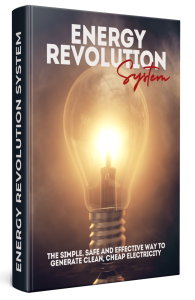
The Energy Cube System is a comprehensive digital program — delivered primarily as a PDF guide supplemented by video tutorials and detailed illustrations — that walks users through the process of building their own electricity-generating system using renewable energy principles. The program was created by David Carter, a systems engineer who describes being motivated by a personal experience with a winter power outage to develop an accessible, affordable alternative to grid dependence.
The guide covers multiple renewable energy approaches including solar panel construction, wind turbine assembly, and geothermal system basics, providing users with knowledge across different energy generation methods rather than locking them into a single approach. The program includes step-by-step assembly instructions, a curated materials list with affordable sourcing guidance, a budget calculator for tracking project costs, and multimedia resources including videos and illustrations that support the written instructions with visual demonstrations.
The digital delivery format means immediate access after purchase on any device — smartphone, laptop, or computer — with no shipping wait time. The $47 price point covers the complete program with no ongoing subscription fees, though the program itself teaches skills for building systems that continue generating value for years after the initial investment.
About the Creator
David Carter is presented as a systems engineer whose personal experience with a winter power outage — losing heat and essential appliance function during cold weather — directly motivated the development of this system. This origin story is consistent with the program’s practical, problem-solving orientation rather than a purely commercial motivation. Carter reports having implemented the Energy Cube System in his own home and experiencing significant savings on electricity costs, which provides personal validation for the system he teaches.
The systems engineering background is relevant context for evaluating the program’s technical credibility — systems engineering involves exactly the kind of integrated thinking about component interaction, energy flow, and practical implementation that a functional DIY energy guide requires. The program reflects this background in its structured, systematic approach to the assembly and operation guidance it provides.
How the Energy Cube System Works
The Energy Cube System’s mechanism operates on renewable energy conversion principles — capturing naturally occurring energy from solar, wind, or other sources and converting it into usable electrical current that can power household appliances or charge battery storage systems for later use.
The program teaches users to build a system that combines several functional components. The power creation section uses solar panels or wind collection mechanisms to generate initial electrical output from natural energy sources. A power storage unit retains surplus energy produced during peak generation periods — sunshine hours or windy periods — for use during times when generation is lower. An energy control unit regulates how generated power is distributed throughout the home, ensuring appropriate load distribution and preventing wasteful consumption. Smart power tracking tools provide usage information that helps users identify opportunities for efficiency improvement.
The system’s assembly uses components available at local electronics stores, with an estimated build time of approximately three hours for most users. The guide provides specific instructions for the assembly sequence, connection of components, troubleshooting common issues, and optimization of output. Because the system relies on renewable energy sources rather than fuel, operating costs after initial build are minimal — no ongoing fuel purchases, no combustion-related maintenance, and no fuel supply vulnerability during emergencies.
What Is Inside the Energy Cube System Guide?
The program’s content is organized around practical application rather than theoretical education, reflecting the creator’s engineering background in systematic problem-solving. The step-by-step assembly instructions are the core deliverable — written to be clear enough for users without prior electrical or engineering experience while providing sufficient technical detail for users who want to understand the underlying principles.
Detailed illustrations accompany the written instructions throughout the guide, providing visual reference for assembly steps that are difficult to communicate through text alone. This visual support is particularly important for users who are working with unfamiliar components and need to see what correctly assembled sections look like before proceeding to the next step.
The curated materials list addresses one of the most frustrating aspects of DIY energy projects — identifying and sourcing the right components without wasting money on incompatible or overpriced options. By providing specific component recommendations with affordability and local availability as primary criteria, the guide reduces the procurement challenge that often stalls DIY energy projects before they begin.
The budget calculator helps users plan and track their investment across the build process, which is important for managing the project within household financial constraints and understanding the timeline to cost recovery through electricity savings. The included video tutorials provide dynamic visual support for assembly steps that benefit from seeing the process in motion rather than in static illustration.
Comparison With Conventional Energy Solutions
The program includes an educational comparison of the Energy Cube System’s approach against the major conventional energy sources — fossil fuels, nuclear energy, hydropower, and geothermal energy — along with an introduction to frictional energy concepts that represent an emerging area of alternative energy research.
This comparison provides useful context for understanding why building your own renewable energy system represents a different value proposition from simply switching utility providers or investing in large-scale renewable infrastructure. Fossil fuels carry environmental costs and price volatility. Nuclear energy involves waste disposal and safety concerns that make individual household adoption impossible. Large-scale hydropower requires geographic conditions unavailable to most homeowners. Geothermal energy’s availability varies dramatically by location.
The Energy Cube System’s approach — building a small-scale renewable system using accessible technology — sidesteps the limitations of each large-scale alternative by operating at a scale and cost appropriate for individual household implementation. It is not competing with utility-scale energy infrastructure but offering a household-scale alternative to grid dependence that any motivated homeowner can implement.
Key Benefits of the Energy Cube System
The electricity bill reduction potential is the most immediately impactful benefit for most buyers. The program claims up to 75% reduction in electricity costs — a figure that, if achieved, would represent hundreds of dollars in annual savings for most households. The actual reduction achieved will depend on the size of the system built, the household’s energy consumption profile, and local utility rates, but even partial achievement of this potential represents meaningful financial benefit relative to the $47 program cost.
Energy independence during grid outages is a benefit that has become increasingly important as the frequency and duration of grid failures has risen. A functioning home energy system that operates independently of the utility grid provides both practical capability and peace of mind during weather events, infrastructure failures, or other grid disruptions that can leave households without power for extended periods.
Environmental benefit through reduced fossil fuel consumption is a secondary benefit that matters to environmentally conscious buyers. A household that generates a meaningful portion of its own electricity from renewable sources proportionally reduces its contribution to fossil fuel demand and associated emissions.
The educational value of understanding how electricity generation works — including the principles, components, and assembly processes involved — has lasting value beyond the specific system built. Users who complete the program develop practical energy literacy that supports informed decision-making about future energy investments and ongoing system optimization.
Pros and Cons
| Pros | Cons |
|---|---|
| Extremely affordable at $47 for complete program | Claims of up to 75% savings should be treated as maximum, not guaranteed |
| Covers multiple renewable energy approaches | Program currently available in single language only |
| Detailed illustrations and video support aid non-technical users | Requires access to devices for digital content |
| Budget calculator helps manage project costs | Build quality and output depend heavily on user execution |
| Teaches skills with lasting applicability | Smaller systems may not dramatically reduce bills in high-consumption households |
| Noiseless, fuel-free operation after build | Some component sourcing may be challenging in rural areas |
| Resilient to adverse weather conditions | |
| Money-back guarantee reduces financial risk |
Realistic Expectations: What Can the System Actually Deliver?
Setting honest expectations is the most important service this review can provide for potential buyers. The Energy Cube System is a digital guide — the quality of results depends heavily on how well users execute the assembly process, the quality of components they source, the size of system they build, and the specific energy consumption profile of their household.
A household that builds a single small-scale unit and has high baseline electricity consumption will experience a proportionally modest bill reduction. A household that builds a larger, well-optimized system and moderates their consumption accordingly has a realistic path to the more significant savings the program describes. The 75% reduction claim represents a potential ceiling rather than a guaranteed outcome for all users, and approaching it requires both quality execution and appropriate system sizing.
The three-hour assembly estimate is similarly a best-case figure for users who find the instructions clear and have prior experience with basic tools. Users working with unfamiliar components or encountering any troubleshooting challenges should expect a longer build process. The detailed illustrations and video support are specifically designed to minimize these challenges, but individual variation in technical aptitude will influence the actual build experience.
Who Should Buy the Energy Cube System
The Energy Cube System is most appropriate for motivated homeowners who want to develop genuine energy independence and are willing to invest the time and effort a DIY assembly project requires. People who have experienced frustrating power outages and want a reliable backup energy solution that does not depend on fuel availability will find the guide’s renewable approach particularly aligned with their needs. Budget-conscious households who cannot afford professional solar installation but want the conceptual and financial benefits of renewable energy will find the $47 program a dramatically more accessible entry point.
DIY enthusiasts who enjoy building functional systems and learning practical skills will find the program’s educational depth and assembly focus a satisfying and valuable experience. Environmentally conscious individuals who want to reduce their grid dependence and fossil fuel consumption without prohibitive upfront costs have a practical pathway through this program.
The Energy Cube System is less appropriate for people expecting a passive, no-effort energy solution — the program requires genuine engagement with the assembly process and ongoing optimization. Households with very high energy consumption seeking complete grid independence from a single small-scale build will need to set expectations around incremental rather than total replacement.
Pricing and Value Assessment
At $47 for the complete digital program — PDF guide, video tutorials, illustrations, materials list, and budget calculator — the Energy Cube System represents one of the most accessible entry points available for DIY renewable energy education. The component costs for building the system itself will add to the total investment, but the program’s materials list is specifically curated for affordability and local accessibility, keeping build costs modest relative to professional energy installations.
The money-back guarantee provides meaningful consumer protection for a $47 purchase — if the program does not deliver the value expected, buyers can request a refund. This policy reduces the financial risk of purchase to a level appropriate for evaluating the program’s genuine merit.
The long-term value calculation is compelling even with conservative savings assumptions. If the completed system reduces electricity bills by even 25% rather than the maximum 75% claimed, the annual savings for a household paying $150 per month in electricity would be $450 — recovering the program cost and component investment within months and delivering net savings for years thereafter.
Is the Energy Cube System Legitimate?
The Energy Cube System is a legitimate DIY energy education program. The renewable energy principles it teaches — solar panel function, wind energy capture, battery storage, energy control systems — are real and documented in mainstream energy science. The creator’s engineering background is consistent with the program’s systematic, practical approach. The $47 pricing and digital delivery model are consistent with legitimate educational products in the DIY energy space. The money-back guarantee reflects genuine confidence in the program’s value.
The honest limitation is that all DIY energy programs involve a gap between the guide’s instructions and the real-world results, which depends on user execution. The specific savings claims — up to 75% reduction — represent maximum potential rather than guaranteed outcomes, and buyers should approach these figures as aspirational targets rather than typical results.
Final Verdict
The Energy Cube System earns a genuine recommendation as an accessible, affordable entry point into DIY renewable energy education for households motivated to develop energy independence. The program’s comprehensive content — covering multiple renewable energy approaches with step-by-step guidance, visual support, and practical tools — delivers genuine educational value that extends well beyond the $47 investment. The potential financial returns from even modest electricity bill reduction make the economics of the program compelling, and the energy independence benefit during grid outages adds meaningful practical value beyond the financial calculation.
Buyers should approach the program with realistic expectations — results depend on build quality, system size, and household consumption, and the maximum savings figures represent potential rather than guarantees. But for motivated DIY-oriented homeowners willing to invest the time to learn the material and execute the assembly process carefully, the Energy Cube System offers a legitimate and valuable pathway to meaningful energy independence at one of the most accessible price points in the category.
Frequently Asked Questions
What is included in the $47 purchase? The purchase includes the complete digital guide with step-by-step assembly instructions, detailed illustrations, video tutorials, a curated materials list with sourcing guidance, and a budget calculator for tracking project costs.
Do I need prior electrical or engineering experience? No. The guide is designed for users with varying technical backgrounds, including complete beginners. The step-by-step instructions, illustrations, and video support are specifically designed to make the assembly process accessible without specialized knowledge.
How long does it take to build the system? The guide estimates approximately three hours for the assembly process. Users with less prior experience with electrical components may require additional time, particularly during the troubleshooting and optimization phases.
Where do I find the components? The program provides a curated materials list that specifically identifies components available at local electronics stores. The guide’s emphasis on local availability and affordability is designed to minimize sourcing challenges.
Will it work during power outages? Yes — one of the primary design goals of the system is providing reliable backup power that operates independently of the utility grid. The renewable energy generation and battery storage components continue functioning when the grid fails.
Does it work in all weather conditions? The program specifically addresses weather resilience, describing the system as capable of functioning through adverse conditions including high winds. The specific weather performance will depend on which energy generation approach is implemented.
Can I generate enough power for my entire home? A single small-scale unit may not cover a home’s entire energy needs, particularly in higher-consumption households. The program’s guidance on system sizing and scalability helps users understand how to expand their system to meet larger energy demands.
What is the refund policy? The program includes a money-back guarantee. Contact the support team within the specified period if you are not satisfied with the program’s value.
Where can I access the program? Through the official Energy Cube System website after purchase, with immediate digital download access on any compatible device including smartphones, laptops, and computers.
Scientific and Technical References
Solar photovoltaic energy conversion principles https://www.energy.gov/eere/solar/how-does-solar-work
Wind energy capture and turbine function https://www.energy.gov/eere/wind/how-do-wind-turbines-work
Battery storage systems for renewable energy https://www.energy.gov/eere/articles/how-does-energy-storage-work
Geothermal energy principles and applications https://www.energy.gov/eere/geothermal/geothermal-basics
US residential electricity costs and trends https://www.eia.gov/electricity/monthly/
Grid reliability and power outage statistics https://www.eia.gov/todayinenergy/detail.php?id=54579
Renewable energy for household independence https://www.nrel.gov/docs/fy19osti/73249.pdf
DIY solar and wind system safety guidelines https://www.energy.gov/energysaver/planning-home-renewable-energy-system