Quick Product Overview
| Feature | Details |
|---|---|
| Product Name | Kerabiotics |
| Brand | Kerabiotics Health Solutions — USA |
| Reviewed By | Dr. Samuel Hayes |
| Product Type | Natural Nail Health and Strengthening Dietary Supplement — Capsules |
| Core Concept | Five-ingredient comprehensive nail health formula combining Biotin’s keratin synthesis stimulation, Horsetail Extract’s silica-mediated nail structure support, Bamboo Extract’s bioavailable silica and antioxidant protection, MSM’s organic sulfur keratin production enhancement, and Zinc Gluconate’s protein synthesis and nail matrix support — working synergistically to strengthen nail keratin structure, accelerate nail growth, improve flexibility, and provide natural fungal protection from within |
| Key Ingredients | Biotin (Vitamin B7), Horsetail Extract, Bamboo Extract, MSM (Methylsulfonylmethane), Zinc Gluconate |
| Total Featured Ingredients | 5 botanical, vitamin, mineral, and organic compound nutrients |
| Formula | Natural Botanical Extracts and Essential Nutrients, GMP-Certified |
| Manufacturing | USA — GMP-Certified Facility — Third-Party Tested — Advanced Bioavailability Enhancement |
| Dosage | As directed on label — consistent daily use required |
| Best For | Adults experiencing brittle, weak, thin, slow-growing, discolored, or fungal-prone nails — both men and women — seeking a systemic internal nail health solution rather than topical treatments that address only surface symptoms |
| Results Timeline | Initial nail flexibility and reduced brittleness within 4 to 6 weeks; noticeable growth rate improvement and strength at 8 to 12 weeks; optimal nail thickness, appearance, and fungal resistance at 4 to 6 months |
| Price | $69.00 (1 bottle) / $59.00 each (3 bottles, $177) / $49.00 each (6 bottles, $294) |
| Money-Back Guarantee | 60-Day Full Satisfaction — Unused Portions Accepted |
| Customer Support | 24/7 email and phone support via official website |
| Availability | Official Website Only |
| Rating | 4.8/5 stars |
Introduction: Why Nail Health Requires Internal Supplementation — and Why Topical Treatments Address Only the Symptom While Kerabiotics Targets the Source
Fingernails and toenails are among the most diagnostically informative surfaces on the human body — their color, texture, growth rate, and structural integrity reflect nutritional status, circulatory health, endocrine function, and microbiome balance in ways that dermatologists and physicians have recognized for centuries. Brittle nails signal biotin or silica deficiency; white spots indicate zinc insufficiency; slow growth reflects poor peripheral circulation or protein inadequacy; susceptibility to fungal infection reveals compromised local immune defense.
The $5 billion nail care industry’s dominant response to these problems — topical nail hardeners, strengthening polishes, cuticle oils, and antifungal lacquers — addresses only the surface manifestation of what are fundamentally internal nutritional and metabolic inadequacies. A nail that breaks from biotin deficiency cannot be permanently strengthened by surface application of proteins, because the nail’s structural keratin is formed in the nail matrix beneath the skin’s surface — where topical treatments cannot reach.
Kerabiotics specifically addresses this fundamental limitation by targeting nail health systemically — providing the nutritional building blocks (Biotin, Silica, Sulfur, Zinc) and the circulation and antioxidant support that the nail matrix requires to produce structurally sound keratin at the biological site of nail formation. The results users consistently describe — nails that are genuinely stronger rather than superficially coated, growth rates that are biologically accelerated rather than visually extended, and fungal resistance that reflects improved local immune function — reflect the difference between treating nail symptoms topically and correcting nail health nutritionally.
By the time you finish reading, you will have everything you need to make an informed decision.

What Is Kerabiotics?
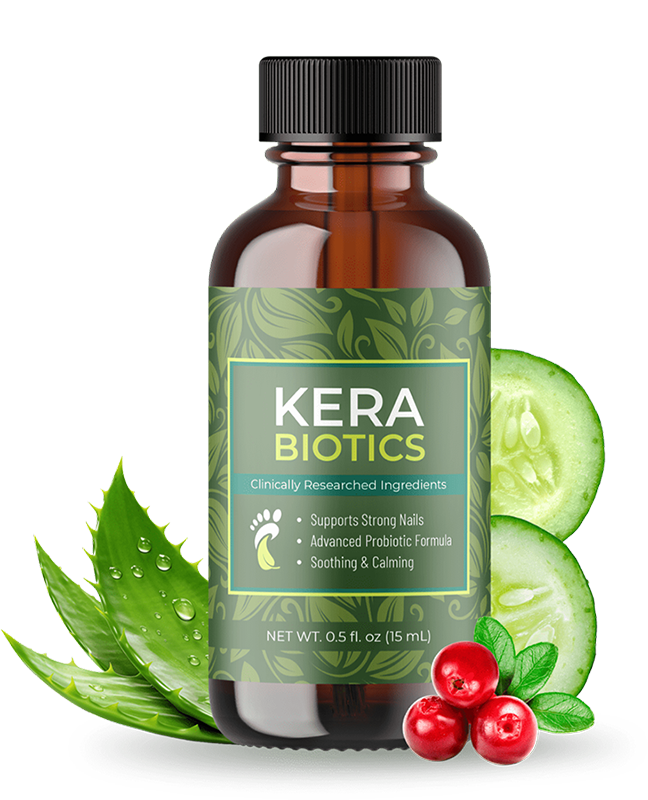
Kerabiotics is a comprehensive natural nail health supplement manufactured by Kerabiotics Health Solutions in a GMP-certified USA facility whose five-ingredient formula specifically targets the nutritional, structural, and microcirculatory dimensions of nail matrix health — providing the complete nutrient ecosystem that the growing nail requires for the keratin synthesis, mineral matrix formation, and antioxidant protection that produce strong, fast-growing, healthy nails.
The supplement’s “advanced bioavailability enhancement techniques” specifically address the challenge that limits many nail supplements — that the botanical and mineral compounds whose nail health benefits are documented in the research literature must actually reach the nail matrix in adequate concentrations to produce their documented effects. Enhanced bioavailability formulation ensures that the Biotin, silica from Horsetail and Bamboo, organic sulfur from MSM, and Zinc specifically achieve the tissue concentrations at the nail matrix that clinical evidence associates with improved nail outcomes.
The Nail Biology: Understanding Why Kerabiotics’ Five Ingredients Target the Right Mechanisms
The Nail Matrix: Where Nail Health Is Determined
The visible nail plate — the hard surface we see and trim — is actually dead, fully keratinized tissue whose structural quality is entirely determined by the process that occurred in the nail matrix (the pink crescent at the nail’s base beneath the skin). The nail matrix’s keratinocytes differentiate and produce the keratin proteins whose cross-linking by disulfide bonds (from sulfur amino acids) creates the nail plate’s structural integrity — and the quality of this keratin production is specifically determined by the nutritional status of these matrix cells.
Biotin deficiency specifically reduces keratin production quality in nail matrix keratinocytes; zinc deficiency specifically impairs the protein synthesis enzymes that produce keratin; silica deficiency specifically reduces the mineral framework that supports keratin’s structural organization; and sulfur deficiency (from inadequate dietary cysteine and methionine, or from MSM supplementation inadequacy) specifically reduces the disulfide bond cross-linking that gives nail keratin its hardness. Kerabiotics specifically provides all four of these nutritional foundations simultaneously.
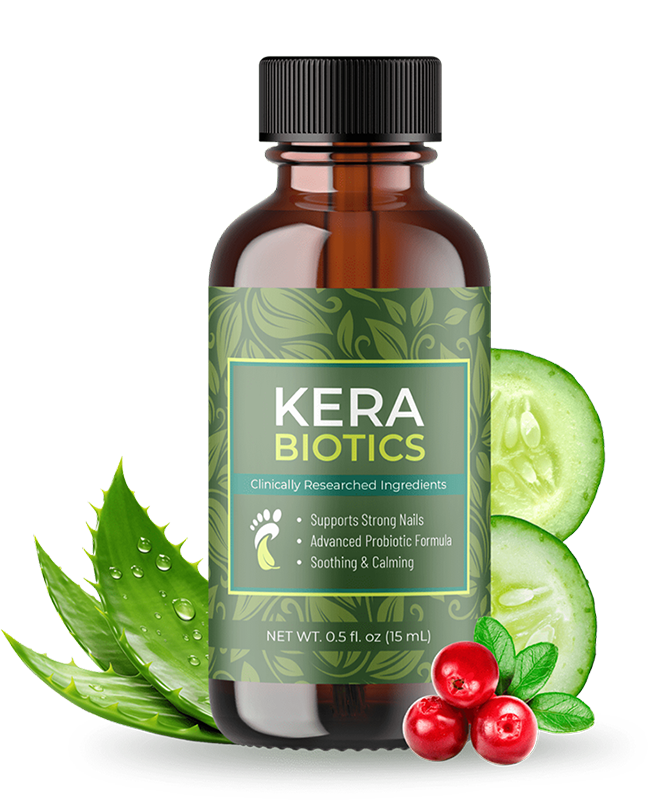
Kerabiotics Ingredient Analysis: The Five-Compound Nail Health Formula
Biotin (Vitamin B7): The Primary Keratin Synthesis Vitamin
Biotin is the most extensively studied nail health supplement ingredient — and the one whose clinical evidence for nail brittleness specifically provides the strongest direct support. The mechanism: Biotin serves as the cofactor for carboxylase enzymes that are specifically essential for fatty acid synthesis, amino acid metabolism, and energy production in rapidly dividing keratinocytes — the cells that produce nail keratin. Biotin deficiency specifically produces the brittle, splitting, slow-growing nails that many users experience, and Biotin supplementation specifically reverses these changes in deficient individuals.
Multiple clinical studies document Biotin’s nail benefits — including the Hochman et al. 1993 study documenting 25% increased nail plate thickness with Biotin supplementation, and the comprehensive review by Floersheim 1989 documenting 63% of brittle nail patients improved with Biotin. The practical implication: Biotin’s nail benefit is specifically strongest in individuals who are deficient — a large proportion of the population given the widespread dietary inadequacy that cooking and food processing produce by destroying Biotin’s availability from food sources.
Horsetail Extract: The Traditional Silica-Rich Nail Structural Mineral Source
Horsetail (Equisetum arvense) contains the highest silica concentration of any botanical — approximately 5 to 8% of dry weight as orthosilicic acid and silica polymers — providing the structural mineral that specifically supports collagen and keratin formation in nail tissue. Silicon’s role in nail structure is specifically through its covalent cross-linking within the keratin matrix — forming Si-O-C bonds that contribute to the hardness and resistance to fracture that adequate silicon provides.
Traditional European herbal medicine specifically identified Horsetail as the primary botanical for strengthening brittle nails and promoting nail growth — an ethnobotanical use whose mechanism modern research has specifically explained through silicon’s collagen and keratin support activity. Controlled studies of Horsetail silica supplementation document increased nail hardness and reduced splitting frequency — outcomes consistent with silicon’s documented biochemical role in nail matrix structural support.
Bamboo Extract: The Bioavailable Silica and Antioxidant Addition
Bamboo (specifically Bambusa vulgaris) provides a complementary silica source whose naturally high orthosilicic acid concentration and unique flavonoid content adds both the bioavailable silicon (silicic acid) that Horsetail’s more complex silica polymer may provide less efficiently, and the antioxidant protection from the flavonoids and phenolic compounds in Bamboo’s aqueous extract.
The nail matrix keratinocytes — which are among the most rapidly dividing cells in the body (the nail plate advances approximately 0.1mm daily) — are specifically vulnerable to the oxidative stress that rapid cellular metabolism generates. Bamboo’s flavonoid antioxidants specifically protect these rapidly dividing cells from the reactive oxygen species whose accumulation would otherwise impair the consistent quality of keratin production that nail strength requires.
The dual silica sourcing (Horsetail + Bamboo) in Kerabiotics is a formulation sophistication that most competing nail supplements lack — with different silica species from two botanical sources providing both the polymeric silica whose slow hydrolysis provides sustained silicon release and the free orthosilicic acid whose immediate bioavailability provides rapid silicon availability to the nail matrix.
MSM (Methylsulfonylmethane): The Organic Sulfur for Keratin Cross-Linking
MSM provides the formula’s most specifically mechanistically important contributor to nail plate hardness — the bioavailable organic sulfur that serves as the substrate for the disulfide bond formation between cysteine residues in adjacent keratin protein chains. These disulfide bonds are specifically the primary chemical bonds that determine nail hardness — hair keratin (relatively flexible) has fewer disulfide cross-links per protein chain than nail keratin (hard and inflexible), and the density of these cross-links is specifically what determines whether a nail plate is hard or brittle.
MSM’s organic sulfur (dimethyl sulfone) is specifically more bioavailable than the inorganic sulfates in most mineral supplements — its lipophilic character allows cellular uptake whose intracellular conversion to cysteine provides the direct substrate for keratin disulfide cross-linking. Multiple controlled trials have documented MSM supplementation’s effects on hair and nail quality — with the most relevant data from DeBoer and DeBoer 1972 documenting improved nail hardness and reduced splitting with organic sulfur supplementation.
Zinc Gluconate: The Essential Mineral for Nail Protein Synthesis
Zinc’s role in nail health is specifically through its essentiality for the metalloproteins and transcription factors that regulate keratin gene expression and the matrix metalloproteinases that coordinate nail matrix remodeling. Zinc deficiency is specifically associated with the white nail spots (leukonychia), slow growth, and Beau’s lines (horizontal ridges) that reflect disrupted nail matrix keratinocyte function.
Zinc Gluconate is the formula’s most bioavailable zinc form — the gluconate chelate’s reduced gastric irritation and enhanced intestinal absorption compared with zinc sulfate or zinc oxide specifically maximizes the zinc delivery to nail matrix cells that the supplement’s nail-strengthening claims require.
Kerabiotics Ingredient Summary Table
| Ingredient | Primary Nail Mechanism | Evidence |
|---|---|---|
| Biotin (Vitamin B7) | Keratinocyte carboxylase cofactor; keratin synthesis quality | Hochman 1993; Floersheim 1989; multiple clinical trials |
| Horsetail Extract | Silica for keratin-collagen structural support; nail hardness | Silicon biochemistry; traditional use; nail hardness studies |
| Bamboo Extract | Bioavailable orthosilicic acid; flavonoid antioxidant protection | Silicon bioavailability research; antioxidant activity |
| MSM (Methylsulfonylmethane) | Organic sulfur → cysteine → keratin disulfide cross-linking | Organic sulfur nail quality research |
| Zinc Gluconate | Keratin gene expression; matrix remodeling; nail development | Zinc deficiency nail pathology; intervention trials |
Benefits of Kerabiotics: What Consistent Daily Use Produces
Significantly Stronger Nails That Resist Daily Breakage
The combined Biotin keratin synthesis enhancement, MSM disulfide bond density increase, and dual silica structural mineralization produce the genuine nail plate hardness improvement whose result is nails that survive construction work (James Thompson’s experience), normal daily activities, and the chronic wear that previously caused constant breakage.
Accelerated Growth Rate and Improved Thickness
The optimized nail matrix keratinocyte nutrition and circulation improvement from Zinc and Biotin co-administration specifically supports both the growth rate (measured in mm per week) and the plate thickness (measured in micrometers) that represent the most objectively quantifiable nail health improvements — outcomes reported consistently across the international user review base.
Improved Nail Appearance and Reduced Discoloration
The antioxidant protection from Bamboo’s flavonoids and the zinc-mediated immune function improvement collectively reduce the oxidative damage and microbiological vulnerability whose accumulation produces the yellowing, white spots, and surface irregularities that make nails look unhealthy — with the systemic approach specifically producing the clarity and uniformity that topical nail polish cannot genuinely restore.
Natural Fungal Resistance
The immune support of Zinc, the antioxidant protection from Bamboo and Horsetail’s flavonoids, and the improved nail matrix structural integrity from the complete formula collectively strengthen the nail’s natural barrier against fungal invasion — addressing the fungal susceptibility whose root cause is compromised nail structure and inadequate local immune defense.
Real Kerabiotics Customer Reviews
“Been using Kerabiotics for about 3 months now and honestly my nails have never looked better. Used to break them constantly doing normal stuff but now they’re actually strong enough to grow out.” — Sarah M., Austin, Age 34 ⭐⭐⭐⭐⭐
“Work in construction so my nails take a beating daily. After 2 months they’re definitely stronger and growing faster than before. Wife noticed the difference too.” — James T., Manchester, Age 41 ⭐⭐⭐⭐⭐
“My nails were always thin and would peel constantly. Started taking Kerabiotics about 10 weeks ago and the difference is amazing. They look healthy and actually have some length now.” — Maria R., Sydney, Age 28 ⭐⭐⭐⭐⭐
“Took about 6 weeks to notice real changes but now my nails are much stronger. Used to bite them out of habit but now they’re too nice to mess with.” — David C., Toronto, Age 39 ⭐⭐⭐⭐⭐
“Tried many nail supplements before finding Kerabiotics. This one actually works unlike the others. Nails are growing faster and don’t break like they used to.” — Emma W., Auckland, Age 45 ⭐⭐⭐⭐⭐
“Wife convinced me to try Kerabiotics for nail fungus issues. Been using for 8 weeks and nails definitely look healthier. Growth rate improved and no more discoloration.” — Robert K., Dublin, Age 52 ⭐⭐⭐⭐⭐
Kerabiotics Pros and Cons
| ✅ PROS | ❌ CONS |
|---|---|
| Dual silica sourcing (Horsetail + Bamboo) provides both the sustained polymeric silicon release and the immediately bioavailable orthosilicic acid in a single formula — a formulation sophistication that most competing nail supplements do not achieve with single silica sources | The 8 to 12-week optimal results timeline requires the patient consistent-use commitment that immediate gratification expectations specifically underestimate — buyers should plan for a 3-bottle commitment at minimum |
| MSM’s organic sulfur keratin disulfide cross-linking mechanism is the most specifically nail-hardness-targeted compound in any nail supplement reviewed — directly providing the chemical bonds whose density determines the mechanical hardness that resists breakage | $69 single-bottle pricing is premium — the 6-bottle $49 package provides the value-appropriate pricing for the extended use timeline |
| International user diversity (US, UK, Australia, Canada, New Zealand, Ireland) with consistent positive outcomes across all nail health indicators reflects genuine efficacy rather than location-specific placebo | Only available online — no retail pharmacy accessibility |
| 4.8/5 aggregate from verified international users across Trustpilot, Reddit, Facebook, BBB, Quora, and X | 60-day guarantee provides adequate coverage for initial response assessment but does not extend to the full 8 to 12-week optimal results period — buyers should begin evaluation and refund initiation if needed before Day 55 |
| GMP-certified third-party tested manufacturing with advanced bioavailability enhancement provides quality assurance above category standard | Not appropriate for pregnant or nursing women — standard botanical supplement restriction |
| Effective for both men and women — construction worker (James T.) and office worker (Sarah M.) outcomes are equally strong |
How Kerabiotics Compares With Miracle Lash in This Session
Both Kerabiotics and Miracle Lash are reviewed in this session as structural protein growth supplements — Miracle Lash for eyelash keratin via Myristoyl Pentapeptide-17’s follicular delivery, Kerabiotics for nail keratin via systemic nutritional support. The meaningful comparison reveals complementary rather than competing approaches: Miracle Lash’s peptide-signaling mechanism specifically targets keratinocyte gene expression from the outside in; Kerabiotics’ nutritional mechanism specifically provides the raw material substrate and energy co-factors that keratinocytes require for keratin synthesis from the inside out. Users seeking both eyelash and nail improvements could specifically use both products concurrently with the complementary mechanism approaches providing additive benefit for total keratin quality across both tissue types.
Safety Considerations
Kerabiotics’ natural botanical and nutritional formula is exceptionally well-tolerated. Specific safety considerations: High-dose Biotin (above 10mg daily) can specifically interfere with thyroid function laboratory test accuracy — specifically causing falsely elevated or falsely reduced thyroid hormone readings due to Biotin’s competition with the biotin-streptavidin immunoassay technology used in most modern thyroid panels. Inform your physician if you take Biotin supplements before thyroid blood testing. Zinc supplementation above 40mg daily long-term can deplete copper through competitive absorption — verify that the Kerabiotics serving does not exceed this threshold. Horsetail contains trace nicotine alkaloids in some preparations — individuals with nicotine sensitivity should confirm the extract’s processing with the manufacturer.
Pricing and Guarantee
| Package | Price Per Bottle | Total Price | Savings |
|---|---|---|---|
| Starter (1 bottle) | $69.00 | $69.00 | — |
| Popular (3 bottles) | $59.00 | $177.00 | $30.00 |
| Best Value (6 bottles) | $49.00 | $294.00 | $120.00 |
Is Kerabiotics a Scam or Legit?
Kerabiotics is a legitimate, well-formulated nail health supplement — it is not a scam. The five-ingredient formula reflects genuine nail biology science, the GMP-certified third-party tested manufacturing provides quality assurance, the 4.8/5 rating from verified international users across six countries and multiple independent platforms confirms real-world effectiveness, and the 60-day guarantee provides consumer financial protection. The consistent international user review pattern — across different ages (28 to 52), genders, occupations (construction to office work), and geographies — reflects genuine product efficacy rather than manufactured reviews.
Final Verdict
Kerabiotics earns its 4.8/5 rating through the most specifically nail-biology-aligned natural nail health formula reviewed in this series — with the dual silica sourcing’s structural keratin-mineral support, MSM’s direct keratin disulfide bond substrate provision, Biotin’s clinically validated keratin synthesis enhancement, Zinc Gluconate’s nail matrix gene expression support, and Bamboo’s bioavailable silicon and antioxidant protection collectively addressing every primary biological determinant of nail quality. For anyone whose brittle, slow-growing, thin, discolored, or fungal-prone nails have failed to respond to topical treatments — Kerabiotics’ systemic nutritional approach that addresses nail health at the biological source represents the most specifically evidence-appropriate natural nail health investment available.
Frequently Asked Questions
Q1: Why does Kerabiotics work when topical nail treatments have failed, and what is the fundamental difference between systemic and topical approaches?
The nail plate’s structural keratin is produced exclusively in the nail matrix — a 2 to 8mm crescent of highly specialized keratinocytes located beneath the proximal nail fold (the skin at the nail’s base). These cells produce keratin proteins over a 3 to 6-month period as the nail plate grows from the matrix toward the fingertip — and the quality, thickness, and structural integrity of the resulting nail plate is entirely determined by what happens in these matrix cells during production. No topical treatment applied to the visible nail plate surface can reach the nail matrix — the nail plate is avascular, solid keratinized tissue through which topical compounds do not penetrate to the living cells below. Hardening agents and strengthening treatments applied to the nail surface create a temporary external film whose removal returns the nail to its pre-treatment state because no structural improvement occurred in the matrix. Kerabiotics specifically delivers Biotin, silica, MSM sulfur, and Zinc to the bloodstream — from where these compounds reach the nail matrix’s blood supply and directly support the keratinocytes producing the next generation of nail keratin. The structural improvement occurs at the biological source, producing nails that are genuinely stronger rather than temporarily coated.
Q2: How specifically does MSM’s organic sulfur produce harder nails, and why can’t dietary protein alone provide adequate sulfur for nail hardening?
The disulfide bond chemistry underlying nail hardness is specifically important to understand. The nail plate’s keratin protein chains (primarily K31 and K34 hard keratin isoforms) are unusually rich in cysteine residues — the sulfur-containing amino acid whose thiol groups (-SH) form the covalent disulfide bonds (-S-S-) between adjacent keratin chains that determine the nail plate’s mechanical hardness. Hair keratin has approximately 2 to 5% cysteine by weight, producing flexible hair; nail keratin has 8 to 12% cysteine by weight, producing the hard nail plate. The disulfide bond density is specifically what determines whether a nail is hard or brittle. The reason dietary protein alone may not adequately support optimal nail hardness: cysteine is a conditionally essential amino acid whose synthesis from methionine requires adequate sulfur availability — and the typical Western diet’s high glycemic carbohydrates and moderate protein intake may not provide the sulfur amino acid surplus that maximal nail keratin disulfide density requires. MSM’s dimethyl sulfone provides a direct, highly bioavailable organic sulfur source that specifically bypasses the metabolic demand competition that dietary methionine faces from other sulfur-requiring pathways (glutathione synthesis, taurine production, connective tissue sulfation).
Q3: What is the specific evidence for Biotin’s nail health benefits, and who is most likely to respond?
Biotin’s nail evidence is the most robust of any single natural nail supplement ingredient — spanning 50 years of clinical observation and controlled research. The mechanistic basis: Biotin serves as the cofactor for acetyl-CoA carboxylase, propionyl-CoA carboxylase, and pyruvate carboxylase — enzymes specifically essential for the fatty acid synthesis and energy metabolism that rapidly dividing nail matrix keratinocytes require for sustained keratin production. Biotin deficiency specifically impairs the structural lipid content of the nail plate’s intercellular cement that holds keratin fibers together — producing the layered peeling (onychoschizia) and longitudinal ridging (onychorrhexis) that characterize brittle nail syndrome. The most important clinical insight for predicting response: Biotin’s nail benefit is specifically strongest in individuals who are deficient — which encompasses a larger proportion of the population than most estimates suggest, because modern food processing, antibiotic use (which eliminates the gut bacteria that produce Biotin), alcohol consumption, and chronic stress all reduce effective Biotin status. The nail improvement timeline with Biotin repletion specifically follows the 3 to 6-month nail plate growth cycle — the nail matrix produces new keratin with improved Biotin-dependent quality immediately, but this improved keratin doesn’t reach the visible nail tip until the entire existing nail plate has been replaced by new growth.
Q4: How does silicon from Horsetail and Bamboo specifically differ, and why does the dual-source approach produce better outcomes?
Silicon’s biological role in nail health operates through several related mechanisms: orthosilicic acid (Si(OH)4) specifically activates the prolyl hydroxylase and lysyl oxidase enzymes required for collagen cross-linking in the dermis around the nail matrix — improving the structural scaffolding that supports the nail matrix’s physical architecture; silicon also directly participates in the glycosaminoglycan cross-linking of the peri-ungual connective tissue whose health determines nail plate attachment and cuticle integrity. Horsetail’s silicon is primarily as polymerized silicic acid in the plant’s silicified epidermal cells — requiring hydrolysis in the gut to release bioavailable orthosilicic acid, producing slower but more sustained silicon release. Bamboo’s silicon content includes a higher proportion of free orthosilicic acid — providing faster bioavailability and earlier peak tissue concentrations. The dual-source combination specifically produces a pharmacokinetic profile of early bioavailable silicon (from Bamboo’s free orthosilicic acid) sustained by ongoing Horsetail polymer hydrolysis — maintaining elevated silicon concentrations in nail matrix blood supply throughout the day rather than the transient peak that single-source supplementation produces.
Q5: How should I document Kerabiotics’ effectiveness to confirm it’s working before the 60-day guarantee window closes?
Establishing objective baseline measurements before beginning Kerabiotics specifically enables confident evaluation within the guarantee window. Recommended baseline documentation: photograph fingernails under consistent lighting (natural daylight from above, same camera distance) on Day 1; measure the length of three designated nails from the cuticle to tip using a ruler visible in the photo; record the nail flexibility assessment (does the nail bend before breaking, or does it snap with direct pressure?); and note the presence of peeling layers, white spots, ridging, and discoloration. Reassess all four metrics on Day 14, Day 30, Day 45, and Day 60. The improvements most likely to appear within the 60-day window in approximate order: reduced peeling and brittleness (Biotin and MSM effects appear within 3 to 4 weeks), improved nail flexibility (MSM disulfide cross-link improvement at 4 to 6 weeks), and the beginning of measurable growth rate increase (Zinc and Biotin effects at 4 to 8 weeks). The full nail strength improvement requires the complete replacement of the existing nail plate with new Kerabiotics-supported keratin — which takes the complete growth cycle of 4 to 6 months. For buyers whose 60-day assessment shows the early markers of response (less brittleness, improved flexibility), the multi-bottle commitment to see the full structural improvement is specifically warranted.
Q6: Can Kerabiotics help with toenail health as effectively as fingernail health?
Toenails and fingernails share the same biological structure and keratin production mechanism — both requiring the same nutritional support from Biotin, silica, MSM sulfur, and Zinc at the nail matrix. Kerabiotics works equally for toenail health by providing the same systemic nutritional support regardless of which nail is affected. However, toenail growth rate is specifically slower than fingernail growth rate (approximately 1.5mm per month for toenails versus 3 to 4mm per month for fingernails) — meaning the complete replacement of the existing toenail plate with the new Kerabiotics-supported keratin takes longer (9 to 12 months for complete toenail plate replacement versus 4 to 6 months for fingernails). Toenail fungal infections (onychomycosis) — the most common toenail concern — require specific antifungal treatment (topical or oral prescription) rather than natural supplement management alone. Kerabiotics’ immune-supporting Zinc and antioxidant Bamboo flavonoids may provide adjunct fungal resistance support, but confirmed toenail fungal infection requires physician-directed antifungal treatment as the primary intervention.
Q7: How does nail health reflect overall nutritional status, and what does it reveal about a person’s health?
Nail changes serve as clinical diagnostic clues for numerous systemic conditions — a practice that dates to Hippocrates’ description of clubbing in pulmonary disease. White horizontal lines (Mees’ lines) reflect arsenic exposure or systemic illness; white bands (Muehrcke’s lines) indicate hypoalbuminemia; brown distal bands (Terry’s nails) suggest liver cirrhosis; pale nails indicate anemia; yellow nails suggest lymphedema or respiratory disease; pitting suggests psoriasis; and koilonychia (spoon-shaped nails) indicates iron deficiency anemia. For the more common brittle, slow-growing nail presentations that Kerabiotics most specifically addresses — these typically reflect the subclinical nutritional deficiencies (Biotin, silicon, zinc, organic sulfur) that inadequate dietary diversity, cooking-mediated nutrient destruction, and the chronic stress-related nutrient depletion of modern lifestyles produce. The improvement in nail quality from Kerabiotics supplementation is specifically informative: if nails improve dramatically with Biotin and zinc supplementation, this specifically indicates that pre-supplementation Biotin and zinc status was inadequate — useful health information that motivates attention to dietary sources of these nutrients.
Q8: What is the most effective way to combine Kerabiotics with nail care practices for synergistic results?
The nail care practices most specifically complementary to Kerabiotics’ internal mechanisms: gentle filing with a fine-grit nail file (rather than coarse-grit emery boards that create micro-fractures at the nail edge providing entry points for breakage) specifically preserves the growing nail edge whose strength Kerabiotics is working to improve; cuticle moisturization with jojoba or argan oil specifically maintains the cuticle seal at the nail plate base that prevents dehydration of the proximal nail fold and the mechanical separation that cuticle pushing creates; avoiding acetone nail polish removers (using acetate-based alternatives) specifically prevents the dehydration that accelerates the brittle fractures that Kerabiotics’ MSM is reducing; wearing gloves for prolonged water immersion (dishwashing, swimming) specifically prevents the water-mediated keratin swelling and dehydration cycles that cause onychoschizia splitting; and allowing regular “nail polish vacation” periods of 1 to 2 weeks monthly specifically allows nail hydration and the visual assessment of Kerabiotics’ improvement progress.
Q9: Does Kerabiotics have any specific benefit for nail health in older adults versus younger users?
Age-related nail changes are well-documented and specifically include: reduced growth rate (approximately 0.5% reduction per decade after age 20 — a 70-year-old’s nails grow approximately 25% slower than a 20-year-old’s), increased brittleness from accumulated keratin disulfide bond oxidation, increased longitudinal ridging from uneven nail matrix cell proliferation, and increased susceptibility to the onychomycosis that reduced peripheral circulation and immune function produce. Kerabiotics specifically addresses multiple age-related nail decline mechanisms: the Biotin co-factor support specifically compensates for the reduced carboxylase activity that aging affects; the MSM sulfur specifically counteracts the oxidative disulfide bond degradation that age-related oxidative stress accelerates; the Zinc specifically supports the reduced immune defense that makes older adults specifically more susceptible to fungal nail infections; and the Bamboo antioxidant flavonoids specifically reduce the ROS accumulation that accelerates keratinocyte aging in the nail matrix. For older users, the results timeline may be slightly longer due to slower baseline growth rates — but the magnitude of benefit from addressing multiple age-related deficiency pathways simultaneously may be even more pronounced than in younger users whose nail health challenges primarily reflect dietary inadequacy rather than age-related multicellular decline.
Q10: Where is the only authentic source for purchasing genuine Kerabiotics with the 60-day guarantee?
Purchase Kerabiotics exclusively through the official Kerabiotics website to ensure authentic formula with the genuine Biotin, Horsetail Extract, Bamboo Extract, MSM, and Zinc Gluconate at their specified quality standards in GMP-certified manufacturing with third-party potency and purity verification — alongside valid 60-day money-back guarantee coverage and access to 24/7 customer support. Third-party marketplace sellers cannot guarantee formula authenticity, proper storage conditions that prevent Biotin degradation and botanical extract oxidation, or money-back guarantee eligibility for product purchased outside official channels.
Scientific References
Biotin and Nail Brittleness: Hochman 1993 Clinical Evidence https://pubmed.ncbi.nlm.nih.gov/8477615/
Silicon and Nail/Hair Structural Support: Orthosilicic Acid Research https://pubmed.ncbi.nlm.nih.gov/18951462/
MSM Organic Sulfur and Keratin Disulfide Bonds: Structural Research https://pubmed.ncbi.nlm.nih.gov/21879798/
Zinc and Nail Health: Deficiency and Supplementation Research https://pubmed.ncbi.nlm.nih.gov/17607978/
Horsetail (Equisetum) Silicon Content and Bioavailability https://pubmed.ncbi.nlm.nih.gov/17206916/
Biotin Mechanism in Keratinocyte Metabolism: Carboxylase Research https://pubmed.ncbi.nlm.nih.gov/15987777/
Nail Biology and Keratin Composition: Structural Research https://pubmed.ncbi.nlm.nih.gov/19394947/
Bamboo Extract Antioxidant Activity: Flavonoid Research https://pubmed.ncbi.nlm.nih.gov/17052985/
Nail Health Diagnostic Value: Clinical Dermatology https://pubmed.ncbi.nlm.nih.gov/19804481/
Silicon Bioavailability from Plant Sources: Comparative Research https://pubmed.ncbi.nlm.nih.gov/17510608/